

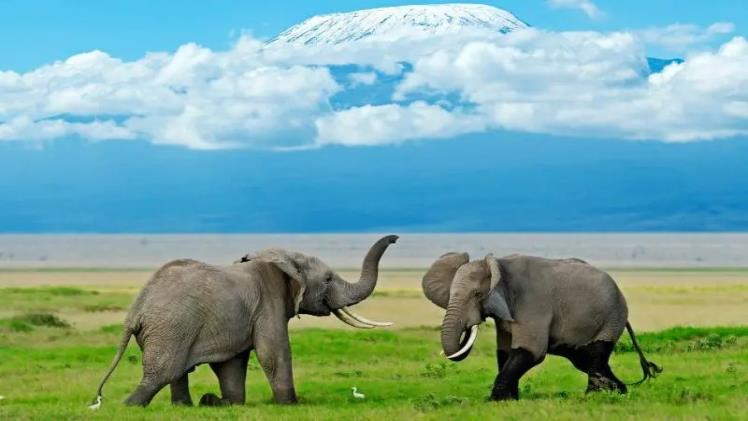
Nestled in the rugged terrain of Northern Kenya, the Samburu Bush is an awe-inspiring expanse of wild landscapes, ancient traditions, and fascinating wildlife. Known for its remote allure and untouched beauty, the Samburu Bush offers visitors a chance to experience Africa in its rawest, most authentic form. Travelers who venture deep into the Samburu Bush are rewarded with encounters that few places on earth can match—an intimate look into the lives of majestic animals, vibrant tribal culture, and the dramatic landscapes that define this corner of Africa. This article will explore what makes the Samburu Bush a top destination for adventurers, nature lovers, and cultural enthusiasts alike.
The Allure of Samburu: An Untamed Landscape
The landscape of the Samburu Bush is a testament to the power and beauty of nature. This area is known for its semi-arid environment, characterized by vast plains, rocky hills, and the winding Ewaso Nyiro River, which sustains life even in the harshest of dry seasons. Unlike the crowded safari parks further south, Samburu is a place where you can travel for miles without encountering another vehicle, giving you an authentic and private encounter with the land.
The Samburu Bush is distinct in both flora and fauna, as it lies at the border of Kenya’s central highlands and its arid northern plains. The vegetation here includes hardy acacias, umbrella-shaped trees, and drought-resistant bushes, which thrive despite the challenging climate. This landscape not only offers breathtaking vistas but also provides the habitat for a unique mix of wildlife that has adapted specifically to this region.
Unique Wildlife of Samburu: A Biodiversity Hotspot
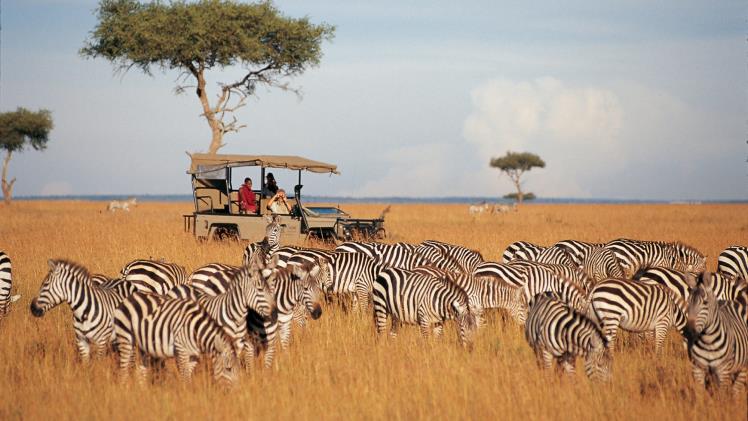
Venturing deep into the Samburu Bush, you’ll encounter an array of species that thrive nowhere else on earth. Known as the “Samburu Special Five,” this group includes species that have adapted to the arid conditions of Northern Kenya:
- The Reticulated Giraffe – With its striking, net-like pattern, the reticulated giraffe stands apart from other giraffe species. Its unique markings are beautiful to behold as it gracefully wanders across the plains.
- The Grevy’s Zebra – Known for its narrow stripes, large round ears, and shy nature, the Grevy’s zebra is a rare sight that adds a touch of elegance to the Samburu Bush landscape.
- The Beisa Oryx – These antelopes, with their striking long horns and white facial markings, are known for their resilience to arid environments.
- The Somali Ostrich – Distinguishable by its blue-gray neck and legs, the Somali ostrich is often spotted roaming the plains.
- The Gerenuk – Known as the “giraffe-necked antelope,” this animal has an elongated neck, allowing it to reach high branches and leaves, a valuable adaptation in the dry Samburu Bush.
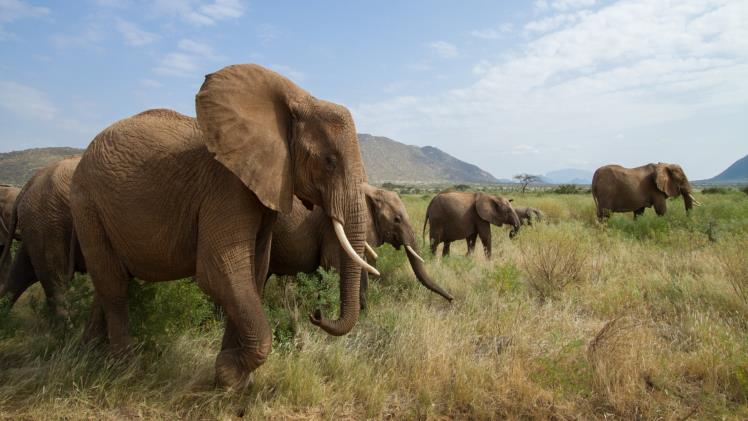
These unique animals are just a few of the remarkable creatures that call Samburu home. Additionally, the area supports a healthy population of elephants, lions, leopards, and African wild dogs. Bird enthusiasts will also find an impressive variety of species, including the vibrant vulturine guineafowl and African darter. Going deep into the Samburu Bush presents an opportunity for travelers to witness a complex and diverse ecosystem that has thrived despite its challenging environment.
Cultural Heritage: Meeting the Samburu Tribe
Beyond the wildlife and landscapes, going deep into the Samburu Bush also means immersing oneself in the rich culture of the Samburu people. The Samburu tribe, closely related to the Maasai, have inhabited this region for centuries, developing a way of life that is intricately connected to the land.
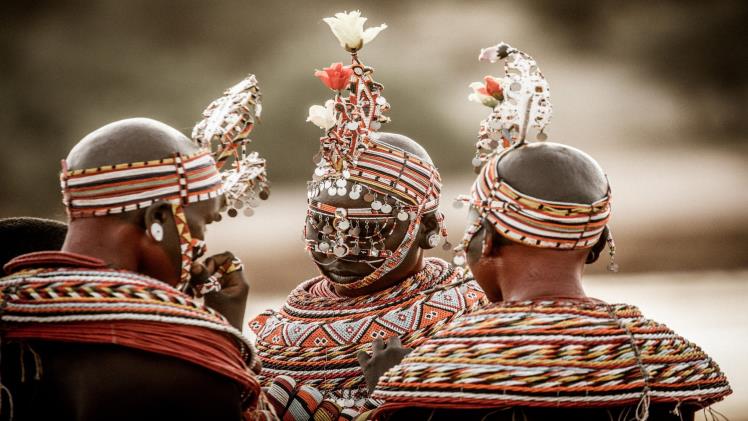
The Samburu are semi-nomadic pastoralists, known for their colorful dress, beadwork, and deep-rooted traditions. Men wear shukas, traditionally red cloths, and adorn themselves with necklaces and bracelets, while women are adorned with intricately designed beaded necklaces. The Samburu lifestyle revolves around cattle, which are a source of food, status, and wealth. These animals are so vital to the Samburu that their names for seasons and days often relate to cattle, weather, and grazing conditions.
Visitors who travel deep into the Samburu Bush have the chance to engage with the Samburu people through cultural visits. These visits offer insight into the Samburu way of life, including traditional dances, warrior rituals, and the unique customs that distinguish them from other Kenyan tribes. Engaging with the Samburu people provides a profound perspective on human resilience, adaptation, and the interdependence between communities and nature.
📚 Read more about travel Ol pejeta Conservancy
Exploring Samburu National Reserve: The Gateway to Wilderness
The Samburu National Reserve is one of Kenya’s lesser-known but highly rewarding destinations, encompassing approximately 165 square kilometers of land along the Ewaso Nyiro River. This reserve offers some of the best safari experiences in the region, with fewer crowds than parks like the Maasai Mara or Amboseli.
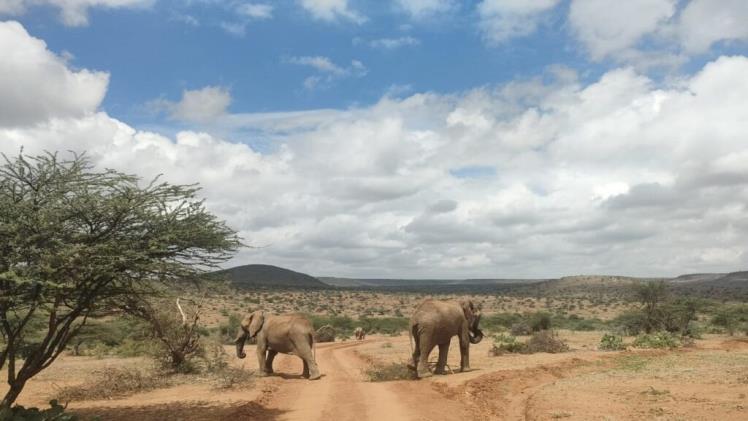
A journey deep into the Samburu Bush within the reserve provides unparalleled game-viewing opportunities. The Ewaso Nyiro River is a lifeline for wildlife, particularly during the dry season when animals flock to its banks for water. The river attracts elephants, crocodiles, and an array of bird species, creating a microcosm of life around its shores.
The reserve also offers several unique safari experiences, including guided walks and camel treks. These activities allow travelers to immerse themselves in the bush in a more intimate way, engaging all senses as they walk through the terrain and observe the ecosystem from ground level. Deep into the Samburu Bush safaris create memorable encounters with nature, allowing guests to feel the rhythm of the wild around them.
Conservation Efforts: Protecting the Samburu Ecosystem
Conservation is critical in the Samburu Bush, where fragile ecosystems and vulnerable species face increasing threats from human activity, climate change, and poaching. Several initiatives, led by both local communities and international organizations, are working to protect this incredible landscape and its inhabitants.
One prominent example is the Save the Elephants organization, founded by Dr. Iain Douglas-Hamilton. This group is dedicated to elephant conservation in Samburu, focusing on research, anti-poaching efforts, and community education. Local Samburu warriors are trained to work as anti-poaching rangers, providing security for the animals they have lived alongside for generations. Other projects aim to support sustainable tourism, ensuring that visitors to the Samburu Bush contribute positively to the environment and local communities.
Planning Your Visit: What to Expect in the Samburu Bush
Traveling deep into the Samburu Bush requires preparation. Samburu is a remote region, and visitors should expect limited amenities. However, this isolation is what makes Samburu a remarkable experience, offering an authentic encounter with nature that few other destinations provide.
Accommodations in the Samburu Bush range from luxury lodges overlooking the river to rustic, eco-friendly camps. Many lodges provide a high level of comfort while blending seamlessly with the environment, ensuring minimal ecological impact. For those looking for an even more immersive experience, camping within the reserve allows for nights spent under the vast African sky, surrounded by the sounds of the bush.
The best time to visit is during the dry season, from June to October, when wildlife is easier to spot around water sources. During this period, the weather is cooler and less humid, making outdoor activities more comfortable. Going deep into the Samburu Bush during the wet season also has its appeal, as the landscape turns lush and green, and many animals give birth, attracting predators and providing intense wildlife viewing.
The Samburu Bush: A Journey of Discovery
There is no experience quite like venturing deep into the Samburu Bush. The combination of stunning scenery, rare wildlife, and vibrant culture makes this a destination that resonates deeply with anyone fortunate enough to explore it. The Samburu Bush is a place where nature reigns, offering a glimpse into a world untouched by modernity. Here, the rhythms of the natural world dictate the flow of life, and the resilient spirit of the Samburu people offers a reminder of humanity’s profound connection to the land.
As we leave the Samburu Bush, we take with us memories of open plains, fascinating creatures, and the unbreakable bond between nature and culture. This journey into the wilds of Samburu is a powerful reminder of the importance of preserving our planet’s untamed landscapes and honoring the people who call them home.
