

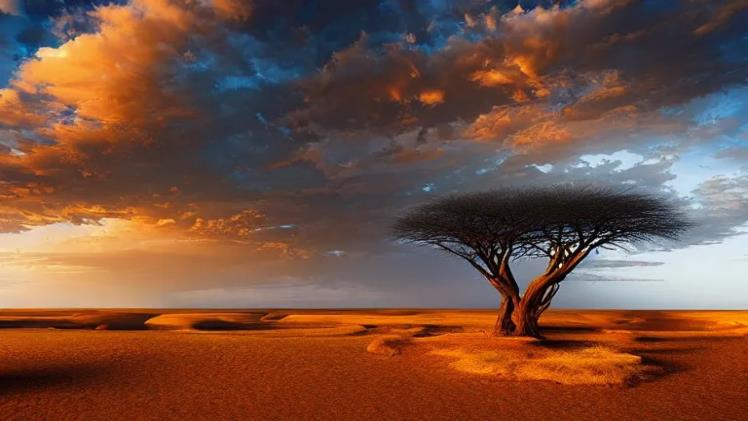
The Kalahari Desert stretches across southern Africa, covering vast parts of Botswana, Namibia, and South Africa. It’s a place where red sands meet blue skies, where the silence is profound, and where life persists against the odds. Today, Day 17 of this journey, covers 330 kilometers through this awe-inspiring desert landscape. The Kalahari’s arid beauty is a testament to nature’s resilience, and it provides travelers with a unique experience of endless horizons, rugged terrain, and unforgettable encounters with desert-adapted wildlife.
Morning Departure: Setting Out Across the Sands
Setting off early in the morning is the best way to cover ground before the day’s heat intensifies. The Kalahari, though labeled a “desert,” is more accurately a semi-arid savanna, marked by its iconic red sands and scattered vegetation. Departing just as the sun rises, travelers are greeted by a pink and orange dawn stretching across the vast expanse, casting an ethereal glow over the desert floor.
The road begins as a flat, dusty trail surrounded by low shrubs and sparse trees, a landscape that at first glance might seem unchanging. But as the journey progresses, subtle shifts in the terrain and vegetation reveal the variety hidden within this vast desert. It’s a reminder that the Kalahari is full of life, despite its harsh conditions.
Red Dunes and Unique Flora
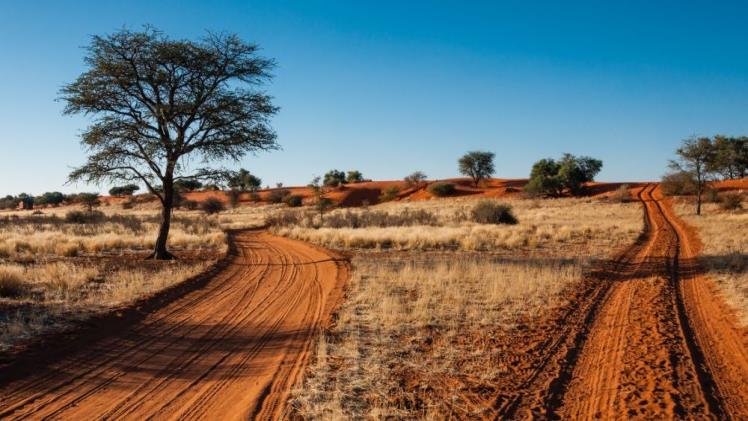
The signature red sands of the Kalahari give this desert its distinctive look, creating a landscape that seems otherworldly. Along the route, towering dunes rise, sculpted by the wind into beautiful formations that contrast starkly with the blue sky. These dunes are a photographer’s dream, offering an endless array of patterns, shapes, and textures to capture.
While the desert might appear barren, it’s home to a surprising diversity of plant life. Camelthorn trees, with their twisting branches and hearty foliage, dot the landscape, providing much-needed shade and shelter for wildlife. Closer inspection reveals the hardy grasses and low shrubs that have adapted to survive with minimal water. The Kalahari’s plant life has evolved to conserve moisture and thrive under the relentless sun, contributing to the delicate balance of this ecosystem.
Travelers passing through The Kalahari’s often stop to observe and photograph these desert plants, marveling at their resilience. Learning about the unique flora of The Kalahari’s adds depth to the journey, showing how life can adapt in unexpected ways.
Wildlife Encounters in the Desert
One of the most remarkable aspects of traveling through the Kalahari is the chance to witness its unique wildlife. The Kalahari is home to various species that have adapted to the desert’s extreme conditions, including springbok, oryx, and the iconic Kalahari lion. These animals have evolved to go without water for extended periods, getting moisture from their food and conserving energy during the day’s peak heat.
Along the 330-kilometer route, travelers may spot herds of springbok moving gracefully across the sands or a solitary oryx silhouetted against the horizon. With their long horns and striking markings, oryxes are perfectly suited to the Kalahari environment, where their pale coats help them blend into the landscape.
Birdwatchers will also find plenty to admire. The Kalahari’s home to an array of bird species, including the sociable weaver, known for building enormous communal nests that can weigh hundreds of pounds. These nests are often found in camelthorn trees and are an extraordinary sight, resembling small huts in the treetops.
For those lucky enough, a glimpse of the elusive Kalahari lion is a highlight of any journey through this region. Known for their distinctive black manes, Kalahari lions are larger and more resilient than their counterparts in other regions. Sightings are rare, but travelers who spot a lion resting under a tree or prowling the dunes are rewarded with an unforgettable encounter.
Meeting the San People: A Glimpse into Kalahari Culture
The Kalahari’s not only home to unique wildlife but also to the San people, one of the world’s oldest indigenous communities. The San have inhabited southern Africa for tens of thousands of years, developing deep knowledge and traditions to survive in the harsh desert environment. Meeting the San is a humbling experience, providing insights into a way of life that is intricately connected to the land.
Many travelers have the opportunity to join a San-guided tour or cultural experience, where they learn about the San’s traditional hunting and gathering practices. The San use tools crafted from local materials, and their profound knowledge of plants and animals helps them find food and water in even the driest areas. Observing their tracking skills is an eye-opening experience; the San can read the desert floor, identifying animal tracks and interpreting signs that would be invisible to an untrained eye.
During these cultural experiences, the San also share stories, songs, and dances that have been passed down for generations. The San’s folklore is rich with tales about the animals and spirits , and hearing these stories around a campfire is a moving and memorable part of the journey.
Afternoon Heat and the Beauty of Silence
By midday, the Kalahari’s temperature reaches its peak. The sun beats down on the sand, and the heat shimmers in the distance. This is the perfect time to take a break and seek shelter, enjoying a packed lunch or resting under the shade of a camelthorn tree. The silence of the desert is profound; with no city noise or human sounds, it feels almost otherworldly. This quiet, punctuated only by the soft rustle of wind or the call of a distant bird, is a rare experience that many find meditative.
The Kalahari’s vast, open spaces create a sense of freedom and introspection. For those who have spent time in busy cities, the desert offers a chance to reconnect with nature and enjoy a slower pace. The vastness of The Kalahari’s instills a sense of humility, reminding travelers of the grandeur and resilience of the natural world.
Evening and Sunset Over the Dunes
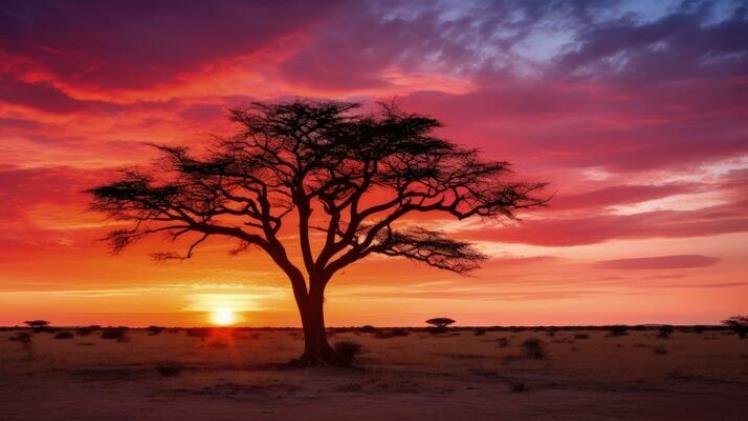
As the day progresses and the sun begins to dip toward the horizon, The Kalahari’s undergoes a magical transformation. The red sands take on deeper, richer hues, and the sky shifts through shades of orange, pink, and purple. Sunset in the Kalahari is an awe-inspiring spectacle, casting a warm glow over the landscape and turning the desert into a canvas of color.
Watching the sunset over the dunes is a highlight of any Kalahari journey. Travelers often stop to photograph the moment or simply sit and watch as the sky darkens and the first stars appear. With no light pollution, The Kalahari’s offers some of the clearest night skies in the world, making stargazing an incredible experience. The Milky Way stretches across the heavens, and constellations shine brightly, creating a natural spectacle that rivals the day’s desert views.
📚 Read more about travel : Garden Route
Nighttime in the Kalahari: A Different World Awakes
Once night falls, the Kalahari reveals another side of itself. The temperature drops significantly, and the desert becomes cooler and more comfortable. This is when nocturnal animals emerge, and travelers who stay overnight in the desert have the chance to hear the sounds of the Kalahari’s nightlife. Hyenas call to each other across the sands, jackals bark in the distance, and smaller creatures scurry through the underbrush.
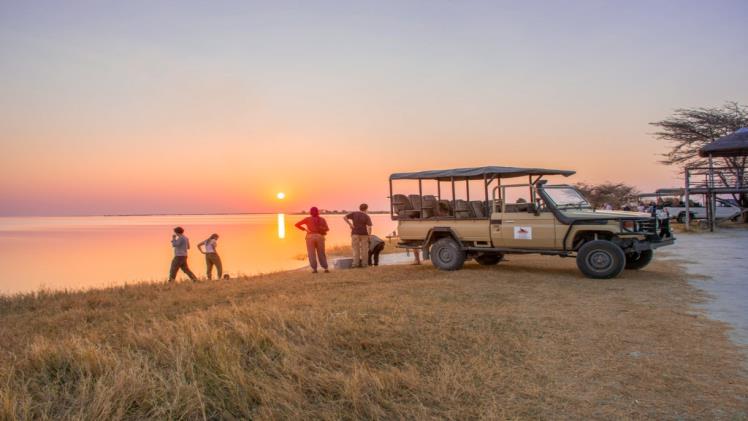
Staying in a desert camp or lodge is the best way to experience the Kalahari at night. Many camps offer guided night drives, where visitors can spot elusive nocturnal animals like the aardvark, bat-eared fox, and Cape porcupine. Night drives provide a new perspective on the Kalahari, showcasing animals and behaviors that are rarely seen during the day.
The clear skies make it easy to see the stars, and many guides share stories about the constellations, including traditional San beliefs and folklore associated with the night sky. The combination of starlit landscapes and desert wildlife makes for a magical end to Day 17 in The Kalahari’s.
Reflections on Day 17: The Spirit of the Kalahari
Covering 330 kilometers through the Kalahari Desert offers more than just stunning views; it’s a journey into one of Africa’s most iconic landscapes, a place where life persists in the face of harsh conditions. The Kalahari is more than a desert – it’s a living ecosystem with a delicate balance of flora, fauna, and human culture.
For those who journey across its sands, the Kalahari provides a humbling and enriching experience. The encounters with wildlife, the insights into San culture, and the profound silence of the desert leave lasting memories and a deeper appreciation for the resilience of nature. Day 17 is a reminder of the beauty and strength found in places often labeled as barren, where every plant, animal, and person has a story of survival and adaptation.
As travelers prepare to continue their journey, the spirit of The Kalahari’s stays with them, a quiet but powerful reminder of the vastness and beauty of the natural world. The desert may be challenging, but it’s also a place of profound beauty, offering lessons in patience, resilience, and respect for the land.
