

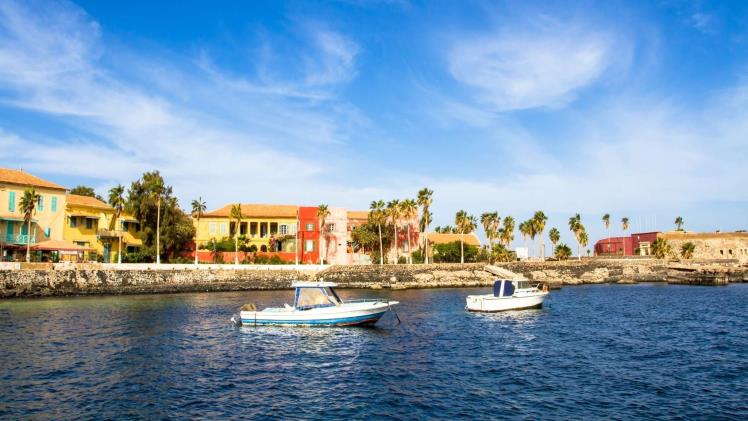
Senegal is a country known for its vibrant culture, rich history, and stunning Atlantic coastline. For travelers exploring this West African gem, three locations stand out as essential: Dakar, the bustling capital city; Saly, a serene beach resort; and Île de Gorée, a UNESCO World Heritage Site with a complex history. Together, these destinations offer a captivating blend of culture, relaxation, and historical depth, creating a well-rounded introduction to the spirit of Senegal.
Dakar: Senegal’s Lively Capital and Cultural Heart
Dakar, the capital of Senegal, is a vibrant metropolis that pulses with energy and creativity. Positioned at the westernmost tip of Africa, Dakar is a dynamic blend of modernity and tradition, offering visitors an unforgettable experience.
Things to Do in Dakar
- Visit the African Renaissance Monument
One of the most iconic landmarks in Dakar, the African Renaissance Monument stands 49 meters tall, making it the largest statue in Africa. Perched on a hill overlooking the city, this bronze statue represents an African family rising triumphantly, symbolizing Senegal’s independence and future aspirations. Climbing the steps to the monument provides stunning views of Dakar, while the monument’s museum offers insights into the region’s history and art. - Explore the Medina District
Dakar’s Medina district is a lively neighborhood that offers a glimpse into the daily life of the city’s residents. With its narrow streets, bustling markets, and vibrant atmosphere, the Medina is an excellent place to experience the heart of Senegalese culture. The area is home to the Grand Mosque of Dakar, an architectural marvel and a spiritual center for many Senegalese Muslims. Visitors can explore the local markets, where vendors sell everything from spices and fabrics to handcrafted jewelry. - Art and Culture at the Village des Arts
Dakar is famous for its arts scene, and the Village des Arts is a must-visit for art enthusiasts. This creative hub hosts more than 50 artists working in various media, from painting and sculpture to photography and ceramics. Visitors can watch the artists at work, browse galleries, and purchase unique pieces directly from the creators. The Village des Arts is a testament to Dakar’s thriving arts culture and a great place to meet local artists. - Discover the Dakar Art Biennale (Dak’Art)
If your visit aligns with the biennial Dakar Art Biennale, you’re in for a treat. This major art event attracts artists from across Africa, showcasing contemporary African art and providing a platform for emerging and established talent. Exhibitions, performances, and workshops take place throughout the city, making it a fantastic time to experience Dakar’s art and culture scene at its peak.
The Flavors of Dakar
Dakar is a culinary destination where traditional Senegalese flavors meet international influences. Be sure to try thieboudienne, Senegal’s national dish made of fish, rice, and vegetables. Other local specialties include yassa poulet (chicken marinated in lemon and onion) and mafe (a peanut-based stew). Restaurants like Chez Loutcha and La Calebasse offer authentic Senegalese cuisine, while Alkimia provides a more modern take on local flavors.
Saly: A Coastal Retreat and Gateway to Relaxation
A couple of hours’ drive south of Dakar, Saly is a beach resort town known for its tranquil beaches, luxurious resorts, and relaxing atmosphere. It’s the perfect escape from the hustle and bustle of Dakar, offering visitors a chance to unwind and soak up the beauty of Senegal’s coastline.
Things to Do in Saly
- Relax on the Beach
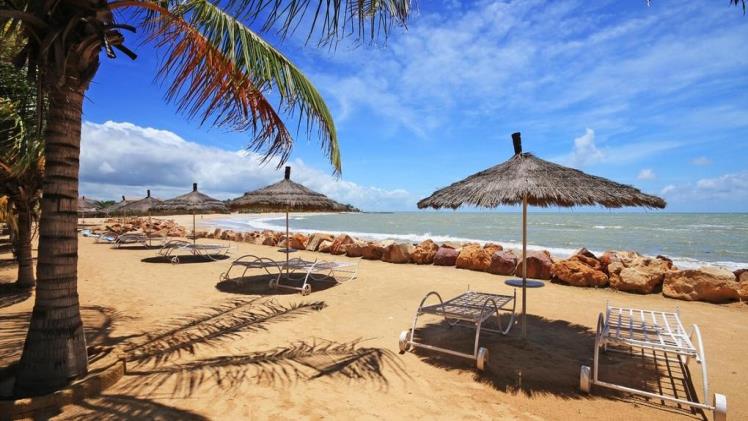
Saly’s beaches are some of the most beautiful in Senegal, with golden sands and calm, clear waters. Many resorts offer private beach access, complete with loungers, umbrellas, and beachside service. The gentle waves make Saly’s beaches ideal for swimming, and the palm-lined shore adds to the tropical feel. Whether you’re looking to swim, sunbathe, or stroll along the coast, Saly’s beaches are a paradise for relaxation. - Water Sports and Adventure
Saly is also a popular destination for water sports enthusiasts. From jet skiing and windsurfing to fishing and sailing, there are numerous ways to enjoy the ocean here. The town’s resorts and operators offer equipment rentals and guided excursions for all skill levels. Sportfishing is particularly popular, with charters available to take anglers out into deeper waters for a chance to catch tuna, barracuda, and other fish. - Golfing at Saly Golf Club
For a more leisurely outdoor activity, the Saly Golf Club offers a well-maintained, 18-hole course set amidst beautiful greenery. With fairways lined by palm trees and stunning views of the ocean, the course provides a relaxing yet challenging experience. Golfing in Saly is a great way to enjoy the outdoors and unwind while soaking up the area’s natural beauty. - Explore the Bandia Wildlife Reserve
Located just outside Saly, the Bandia Wildlife Reserve is a 3,500-hectare park that allows visitors to see African wildlife up close. The reserve is home to a variety of animals, including giraffes, zebras, rhinos, and antelopes, in a setting that resembles their natural habitat. Guided tours provide a fascinating introduction to Senegal’s native flora and fauna, making the reserve an excellent day trip from Saly.
Dining and Nightlife in Saly
Saly’s resorts feature a wide range of dining options, from casual beachfront grills to fine dining establishments. Seafood is a highlight here, with fresh fish and shellfish featured on most menus. At night, Saly’s beachside bars and clubs come alive with music, providing a lively nightlife scene where visitors can dance to a blend of African, reggae, and pop music.
Île de Gorée: A UNESCO Heritage Site Steeped in History
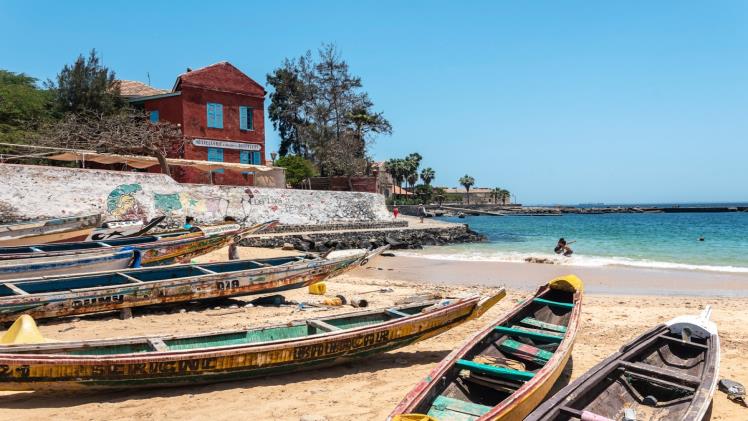
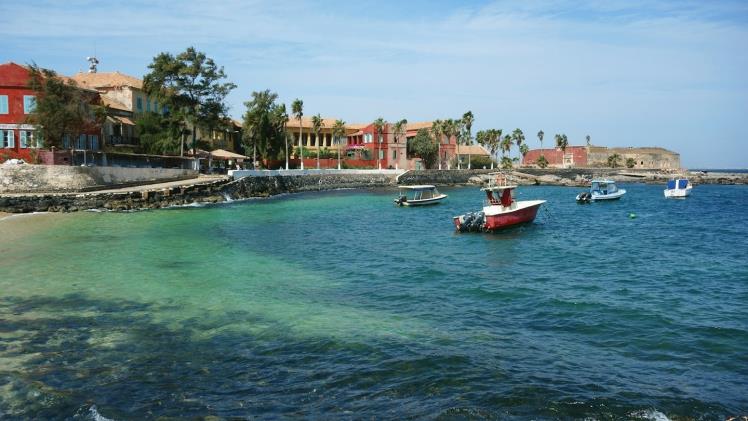
A short ferry ride from Dakar, Île de Gorée (Gorée Island) is a UNESCO World Heritage Site with a complex and poignant history. The island served as a major center of the transatlantic slave trade, and today it stands as a memorial to those who suffered during this dark chapter. Despite its painful history, Île de Gorée is a beautiful island with a peaceful atmosphere, vibrant arts scene, and charming colonial architecture.
Exploring Île de Gorée
- Maison des Esclaves (House of Slaves)
The Maison des Esclaves is perhaps the most important site on the island. This small museum is housed in a former slave-trading building and serves as a memorial to the millions of Africans who were forcibly taken from their homes. The museum’s exhibits include artifacts and documents from the period, and the “Door of No Return” serves as a stark reminder of the island’s history. Visiting the Maison des Esclaves is a powerful experience, providing insight into the impact of the transatlantic slave trade. - Strolling Through Colonial Streets
Île de Gorée is a beautiful island with pastel-colored colonial buildings, narrow streets, and blooming bougainvillea. Walking through the island feels like stepping back in time, with historic houses and cobblestone streets offering a glimpse into the island’s past. The architecture is both charming and haunting, with faded façades and wrought-iron balconies giving the island a distinctive look. - Exploring Local Art and Culture
Today, Île de Gorée is home to a vibrant arts community. Artists sell their work along the streets, and visitors can browse a range of paintings, sculptures, and crafts. The island’s cultural centers and art galleries showcase the talent of Senegalese artists, and purchasing artwork here supports the local community. Visiting the artist’s studios is a great way to engage with contemporary Senegalese culture and bring home a unique souvenir. - Climbing Fort d’Estrées
The Fort d’Estrées, a colonial-era fortress, offers panoramic views of Dakar and the Atlantic Ocean. The fort has been converted into a museum that covers Senegalese history, including the colonial period and the slave trade. The museum provides valuable context for understanding the island’s significance, and the views from the fort are stunning, making it well worth the climb.
Dining on Île de Gorée
Île de Gorée offers a selection of small restaurants and cafés where visitors can enjoy local cuisine in a tranquil setting. Seafood is a staple, with fresh fish and shrimp commonly featured on menus. Dining on the island is a more relaxed experience compared to Dakar, with open-air patios that allow guests to enjoy the island’s peaceful ambiance.
Reflections on a Journey Through Dakar, Saly, and Île de Gorée
Dakar, Saly, and Île de Gorée offer a diverse and enriching experience of Senegal. Dakar provides a bustling introduction to the country’s vibrant culture and arts scene, while Saly offers a relaxing retreat with beautiful beaches and outdoor activities. Finally, Île de Gorée serves as a poignant reminder of the country’s complex history, a place of remembrance that honors those who endured the horrors of the slave trade.
Together, these destinations provide a well-rounded travel experience that celebrates the resilience, beauty, and creativity of Senegal. Dakar’s dynamic energy, Saly’s serene beaches, and Île de Gorée’s solemn history capture different facets of Senegal’s identity, making this journey a deeply enriching exploration of one of Africa’s most welcoming and culturally rich countries.
Discovering the Heart of Senegal: A Journey Through Dakar, Saly, and Île de Gorée
Senegal is a country known for its vibrant culture, rich history, and stunning Atlantic coastline. For travelers exploring this West African gem, three locations stand out as essential: Dakar, the bustling capital city; Saly, a serene beach resort; and Île de Gorée, a UNESCO World Heritage Site with a complex history. Together, these destinations offer a captivating blend of culture, relaxation, and historical depth, creating a well-rounded introduction to the spirit of Senegal.
Dakar: Senegal’s Lively Capital and Cultural Heart
Dakar, the capital of Senegal, is a vibrant metropolis that pulses with energy and creativity. Positioned at the westernmost tip of Africa, Dakar is a dynamic blend of modernity and tradition, offering visitors an unforgettable experience.
📚 Read more about travel : Jour 17 Le Kalahari 330km
Things to Do in Dakar
- Visit the African Renaissance Monument
One of the most iconic landmarks in Dakar, the African Renaissance Monument stands 49 meters tall, making it the largest statue in Africa. Perched on a hill overlooking the city, this bronze statue represents an African family rising triumphantly, symbolizing Senegal’s independence and future aspirations. Climbing the steps to the monument provides stunning views of Dakar, while the monument’s museum offers insights into the region’s history and art. - Explore the Medina District
Dakar’s Medina district is a lively neighborhood that offers a glimpse into the daily life of the city’s residents. With its narrow streets, bustling markets, and vibrant atmosphere, the Medina is an excellent place to experience the heart of Senegalese culture. The area is home to the Grand Mosque of Dakar, an architectural marvel and a spiritual center for many Senegalese Muslims. Visitors can explore the local markets, where vendors sell everything from spices and fabrics to handcrafted jewelry. - Art and Culture at the Village des Arts
Dakar is famous for its arts scene, and the Village des Arts is a must-visit for art enthusiasts. This creative hub hosts more than 50 artists working in various media, from painting and sculpture to photography and ceramics. Visitors can watch the artists at work, browse galleries, and purchase unique pieces directly from the creators. The Village des Arts is a testament to Dakar’s thriving arts culture and a great place to meet local artists. - Discover the Dakar Art Biennale (Dak’Art)
If your visit aligns with the biennial Dakar Art Biennale, you’re in for a treat. This major art event attracts artists from across Africa, showcasing contemporary African art and providing a platform for emerging and established talent. Exhibitions, performances, and workshops take place throughout the city, making it a fantastic time to experience Dakar’s art and culture scene at its peak.
The Flavors of Dakar
Dakar is a culinary destination where traditional Senegalese flavors meet international influences. Be sure to try thieboudienne, Senegal’s national dish made of fish, rice, and vegetables. Other local specialties include yassa poulet (chicken marinated in lemon and onion) and mafe (a peanut-based stew). Restaurants like Chez Loutcha and La Calebasse offer authentic Senegalese cuisine, while Alkimia provides a more modern take on local flavors.
Saly: A Coastal Retreat and Gateway to Relaxation
A couple of hours’ drive south of Dakar, Saly is a beach resort town known for its tranquil beaches, luxurious resorts, and relaxing atmosphere. It’s the perfect escape from the hustle and bustle of Dakar, offering visitors a chance to unwind and soak up the beauty of Senegal’s coastline.
Things to Do in Saly
- Relax on the Beach
Saly’s beaches are some of the most beautiful in Senegal, with golden sands and calm, clear waters. Many resorts offer private beach access, complete with loungers, umbrellas, and beachside service. The gentle waves make Saly’s beaches ideal for swimming, and the palm-lined shore adds to the tropical feel. Whether you’re looking to swim, sunbathe, or stroll along the coast, Saly’s beaches are a paradise for relaxation. - Water Sports and Adventure
Saly is also a popular destination for water sports enthusiasts. From jet skiing and windsurfing to fishing and sailing, there are numerous ways to enjoy the ocean here. The town’s resorts and operators offer equipment rentals and guided excursions for all skill levels. Sportfishing is particularly popular, with charters available to take anglers out into deeper waters for a chance to catch tuna, barracuda, and other fish. - Golfing at Saly Golf Club
For a more leisurely outdoor activity, the Saly Golf Club offers a well-maintained, 18-hole course set amidst beautiful greenery. With fairways lined by palm trees and stunning views of the ocean, the course provides a relaxing yet challenging experience. Golfing in Saly is a great way to enjoy the outdoors and unwind while soaking up the area’s natural beauty. - Explore the Bandia Wildlife Reserve
Located just outside Saly, the Bandia Wildlife Reserve is a 3,500-hectare park that allows visitors to see African wildlife up close. The reserve is home to a variety of animals, including giraffes, zebras, rhinos, and antelopes, in a setting that resembles their natural habitat. Guided tours provide a fascinating introduction to Senegal’s native flora and fauna, making the reserve an excellent day trip from Saly.
Dining and Nightlife in Saly
Saly’s resorts feature a wide range of dining options, from casual beachfront grills to fine dining establishments. Seafood is a highlight here, with fresh fish and shellfish featured on most menus. At night, Saly’s beachside bars and clubs come alive with music, providing a lively nightlife scene where visitors can dance to a blend of African, reggae, and pop music.
Île de Gorée: A UNESCO Heritage Site Steeped in History
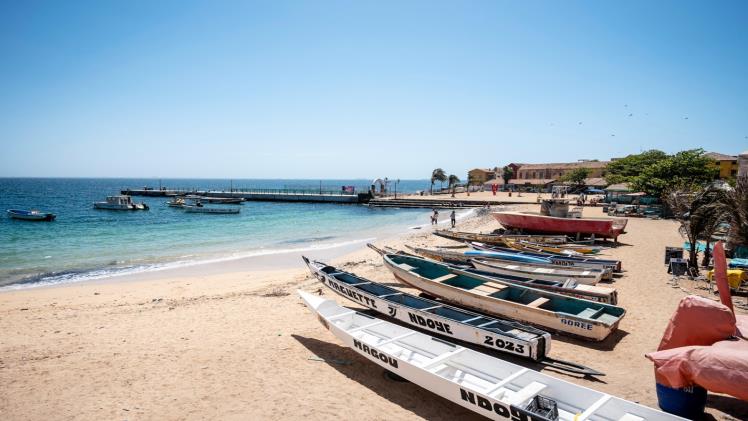
A short ferry ride from Dakar, Île de Gorée (Gorée Island) is a UNESCO World Heritage Site with a complex and poignant history. The island served as a major center of the transatlantic slave trade, and today it stands as a memorial to those who suffered during this dark chapter. Despite its painful history, Île de Gorée is a beautiful island with a peaceful atmosphere, vibrant arts scene, and charming colonial architecture.
Exploring Île de Gorée
- Maison des Esclaves (House of Slaves)
The Maison des Esclaves is perhaps the most important site on the island. This small museum is housed in a former slave-trading building and serves as a memorial to the millions of Africans who were forcibly taken from their homes. The museum’s exhibits include artifacts and documents from the period, and the “Door of No Return” serves as a stark reminder of the island’s history. Visiting the Maison des Esclaves is a powerful experience, providing insight into the impact of the transatlantic slave trade. - Strolling Through Colonial Streets
Île de Gorée is a beautiful island with pastel-colored colonial buildings, narrow streets, and blooming bougainvillea. Walking through the island feels like stepping back in time, with historic houses and cobblestone streets offering a glimpse into the island’s past. The architecture is both charming and haunting, with faded façades and wrought-iron balconies giving the island a distinctive look. - Exploring Local Art and Culture
Today, Île de Gorée is home to a vibrant arts community. Artists sell their work along the streets, and visitors can browse a range of paintings, sculptures, and crafts. The island’s cultural centers and art galleries showcase the talent of Senegalese artists, and purchasing artwork here supports the local community. Visiting the artist’s studios is a great way to engage with contemporary Senegalese culture and bring home a unique souvenir. - Climbing Fort d’Estrées
The Fort d’Estrées, a colonial-era fortress, offers panoramic views of Dakar and the Atlantic Ocean. The fort has been converted into a museum that covers Senegalese history, including the colonial period and the slave trade. The museum provides valuable context for understanding the island’s significance, and the views from the fort are stunning, making it well worth the climb.
Dining on Île de Gorée
Île de Gorée offers a selection of small restaurants and cafés where visitors can enjoy local cuisine in a tranquil setting. Seafood is a staple, with fresh fish and shrimp commonly featured on menus. Dining on the island is a more relaxed experience compared to Dakar, with open-air patios that allow guests to enjoy the island’s peaceful ambiance.
Reflections on a Journey Through Dakar, Saly, and Île de Gorée
Dakar, Saly, and Île de Gorée offer a diverse and enriching experience of Senegal. Dakar provides a bustling introduction to the country’s vibrant culture and arts scene, while Saly offers a relaxing retreat with beautiful beaches and outdoor activities. Finally, Île de Gorée serves as a poignant reminder of the country’s complex history, a place of remembrance that honors those who endured the horrors of the slave trade.
Together, these destinations provide a well-rounded travel experience that celebrates the resilience, beauty, and creativity of Senegal. Dakar’s dynamic energy, Saly’s serene beaches, and Île de Gorée’s solemn history capture different facets of Senegal’s identity, making this journey a deeply enriching exploration of one of Africa’s most welcoming and culturally rich countries.
