

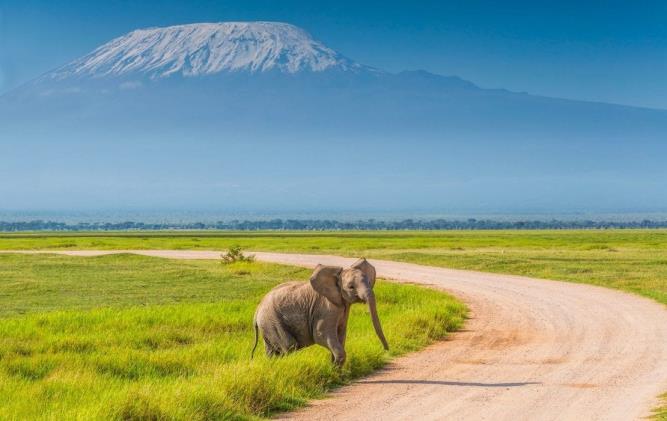
For travelers looking to reconnect with the unspoiled beauty of Africa, Return to Kenya and Amboseli National Park offers an unparalleled experience. Amboseli is one of the few places where visitors can witness vast herds of elephants, breathtaking landscapes, and the rich cultural heritage of the Maasai people, all under the shadow of the iconic Mount Kilimanjaro.
Return to Kenya and Amboseli National Park is a magnet for wildlife enthusiasts, photographers, and those seeking an immersive safari experience. Whether you’re drawn by the prospect of capturing close-up shots of elephants or hoping to catch sight of lions in the wild, Amboseli provides an intimate connection with nature that resonates with travelers around the world.
Why Amboseli National Park Is a Must-Visit Destination in Kenya
Returning to Amboseli feels like reconnecting with an old friend. The Return to Kenya and Amboseli National Park is known for its unique landscape of contrasting elements—from arid plains and seasonal lake beds to lush wetlands that draw animals from miles around. This diversity makes Amboseli a standout safari destination, offering something new and captivating with each visit.
Amboseli is particularly known for its elephant population, and for many, a return trip means revisiting familiar herds. The elephants here are some of the most studied in Africa, and visitors can see generations of Return to Kenya and Amboseli National Park.
A Journey Back in Time and Nature
Amboseli is located in southern Kenya, near the Tanzanian border, covering 392 square kilometers. Known for its breathtaking views of Mount Kilimanjaro, it presents an ideal setting for observing free-roaming African elephants, along with a diverse array of Return to Kenya and Amboseli National Park.
Returning to Amboseli is more than a journey to a national park; it’s a return to a sanctuary where nature is at its rawest and most beautiful. From vast plains dotted with wildlife to marshes teeming with birds, each corner of the park offers a unique aspect of Kenya’s biodiversity.
Wildlife Encounters: The Giants of Amboseli
One of the main attractions that draw visitors back to Amboseli is its famous elephant population. Amboseli’s elephants are among the most studied in the world, and Return to Kenya and Amboseli National Park of Africa’s wildlife. These gentle giants roam freely across the park, often moving in large, family-led groups. Visitors are treated to awe-inspiring moments as elephants gather around the swampy areas to drink, bathe, and interact with each other.
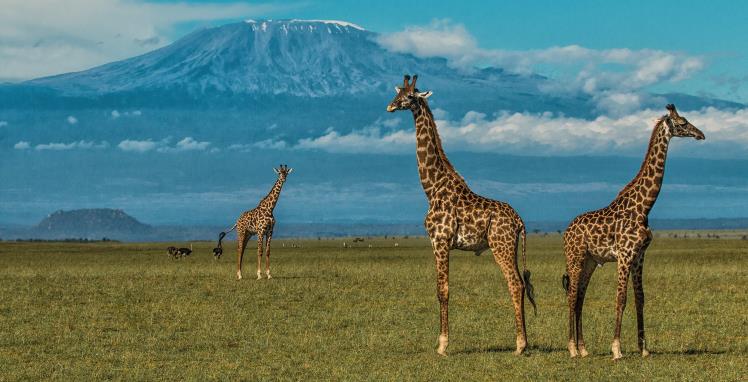
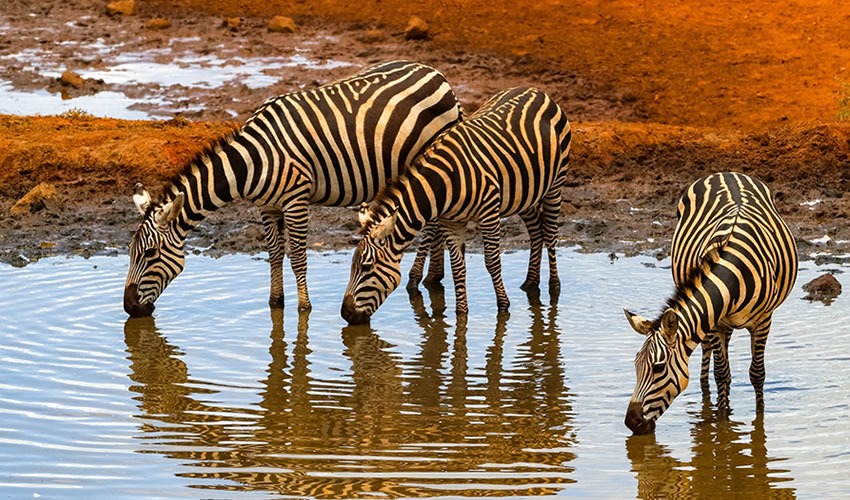
The park’s wildlife diversity extends beyond elephants. Lions, cheetahs, buffalo, giraffes, zebras, and Return to Kenya and Amboseli National Park, giving visitors a rich safari experience. For birdwatchers, the park is a paradise, home to over 400 species of birds, including flamingos, pelicans, and crowned cranes. Each encounter with these animals is a reminder of the Return to Kenya and Amboseli National Park.
The Breathtaking Backdrop of Mount Kilimanjaro
Mount Kilimanjaro, the highest peak in Africa, forms a striking backdrop to the plains of Amboseli. Though the mountain lies across the border in Tanzania, its snow-capped peaks dominate the horizon and add an ethereal quality to the landscape. The sight of elephants marching against the silhouette of Kilimanjaro is one of the most iconic images of Africa, often depicted in travel brochures and documentaries.
Early morning and late afternoon provide the best lighting for photographers, with the mountain often emerging from clouds, revealing its full glory. Kilimanjaro’s presence in the background adds a sense of Return to Kenya and Amboseli National Park.
Return to Kenya and Amboseli National Park
- The Majestic Mount Kilimanjaro Backdrop: Few experiences rival the sight of Mount Kilimanjaro towering over Amboseli’s plains, creating an iconic scene that draws visitors back year after year.
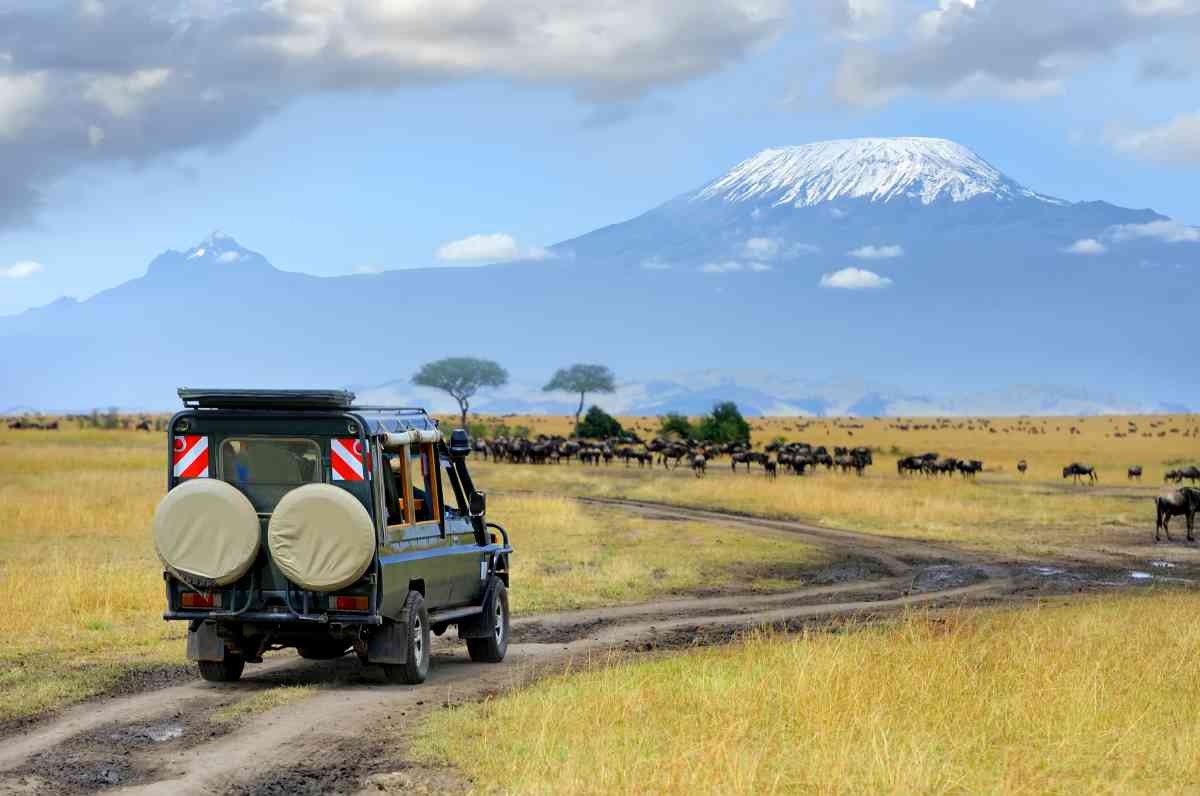
- Up-Close Elephant Encounters: Amboseli is known as one of the best places in Africa for elephant viewing. TheReturn to Kenya and Amboseli National Park’s elephants are relatively accustomed to vehicles, making it easier for visitors to enjoy close, respectful encounters.
- Bird-Watching Opportunities: Amboseli boasts over 400 bird species, with particularly rich bird-watching during the wet season when migratory birds arrive. From flamingos to eagles, a variety of species flock to Amboseli’s swamps and marshes.
- Cultural Experiences with the Maasai: Returning to Amboseli is also a chance to engage with the Maasai people. Many travelers enjoy visiting local Maasai villages, where they can gain deeper insights into Maasai traditions and their relationship with the land.
Rediscovering Amboseli’s Rich Ecosystems
Amboseli’s ecosystem is diverse, with open savannahs, swampy marshes, and dry lake beds creating distinct environments for wildlife. Each visit reveals a new aspect of the Return to Kenya and Amboseli National Park’s ecosystems. Amboseli’s swamps and wetlands, fed by underground rivers from Kilimanjaro, serve as lifelines for animals during the dry season, offering a critical resource in an otherwise arid landscape.
The Amboseli Elephant Research Project
Returning visitors may also find a sense of connection to the Amboseli Elephant Research Project (AERP), one of the longest-running research projects on elephants in the world. Founded in the 1970s, the project has been instrumental in understanding elephant behavior, migration, and social structures. Many of Amboseli’s elephants are well-known to researchers, and visitors may have the opportunity to learn more about these majestic creatures through guided tours and informational resources.
The Best Times to Revisit Amboseli National Park
Choosing the right season for your visit can enhance your experience in Amboseli:
- Dry Season (June to October): The dry season offers excellent conditions for wildlife viewing, as animals congregate around water sources, making them easier to spot.
- Wet Season (November to May): The wet season brings lush, green landscapes, attracting migratory birds and adding a vibrant hue to Amboseli’s scenery.
Whether you’re returning to Amboseli during the dry or wet season, each period offers a different perspective on the Return to Kenya and Amboseli National Park’s beauty.
Traveling to Amboseli: What You Need to Know
Accessibility
Amboseli National Return to Kenya and Amboseli National Park is easily accessible by both road and air, allowing for flexibility in planning. By road, the Return to Kenya and Amboseli National Park is a scenic four-hour drive from Nairobi, Return to Kenya and Amboseli National Park offer quick and convenient access for those on a tight schedule.
Accommodation Options
Amboseli provides a range of accommodations, from luxury lodges with Kilimanjaro views to budget-friendly campsites. Many returning visitors find comfort in staying at familiar lodges where staff and guides remember them, creating a welcoming and familiar atmosphere.
Health and Safety Tips
Kenya remains a safe and welcoming destination, but travelers should take standard health precautions, including vaccinations and any necessary medications. Amboseli is a malaria-endemic area, so visitors are encouraged to take preventive measures and consult with their healthcare provider before traveling.
Supporting Amboseli’s Conservation Efforts
Visitors returning to Amboseli play a crucial role in supporting local conservation efforts. Return to Kenya and Amboseli National Park has set a high standard for responsible tourism, with a significant portion of park fees and lodge contributions supporting conservation initiatives. By choosing Amboseli, travelers help fund ongoing efforts to protect wildlife and promote sustainable practices that benefit both animals and Return to Kenya and Amboseli National Park.
