

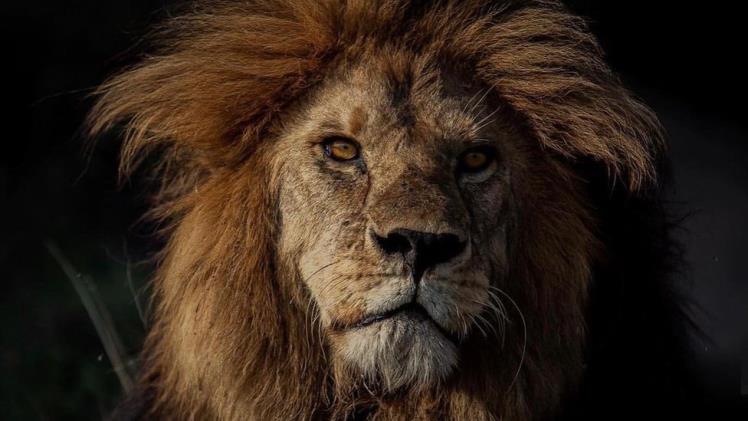
The Serengeti, an iconic savannah stretching across northern Tanzania and into Kenya, is a place of breathtaking beauty, ecological wonder, and complex wildlife interactions. Among the many species that roam this vast land, the lion stands out as a symbol of strength, dominance, and fierce survival. The “Day of the Lion” explores the intricate lives of these apex predators within The Serengeti or Day of the Lions ecosystem, shedding light on their behaviors, challenges, and their crucial role in maintaining balance within one of the world’s most biodiverse regions. This article delves deeply into the life of the Serengeti lions, the significance of their presence, and the fragile ecological balance they uphold.
The Serengeti or Day of the Lions Ecosystem: A Rich and Dynamic Habitat
The Serengeti or Day of the Lions National Park, covering approximately 14,750 square kilometers, is one of the largest protected areas in Africa and a UNESCO World Heritage Site. This vast expanse of grasslands, woodlands, and riverine forests creates a complex mosaic of habitats that support a wide array of wildlife, from herbivores like wildebeest and zebras to carnivores like lions, leopards, and hyenas.
The Serengeti or Day of the Lion is renowned for the Great Migration, one of the most impressive wildlife spectacles on Earth, where millions of wildebeest, zebras, and other herbivores traverse the plains in search of fresh grazing lands. This movement not only sustains the herbivores but also provides a critical food source for the predators, especially lions, as they follow the herds and prey on the weakest and most vulnerable members of the migrating species.
The Lion: King of the Serengeti
Lions in The Serengeti or Day of the Lions live in prides, consisting of several females, their cubs, and a coalition of male lions who defend the pride’s territory. The lion is an apex predator, meaning it has no natural enemies in its ecosystem, placing it at the top of the food chain. This status not only earns the lion its “king” moniker but also makes it responsible for regulating populations of herbivores such as zebras, wildebeest, and gazelles. By controlling herbivore populations, lions help prevent overgrazing, which preserves the vegetation and overall health of the ecosystem.
Daytime Behaviors of The Serengeti or Day of the Lions
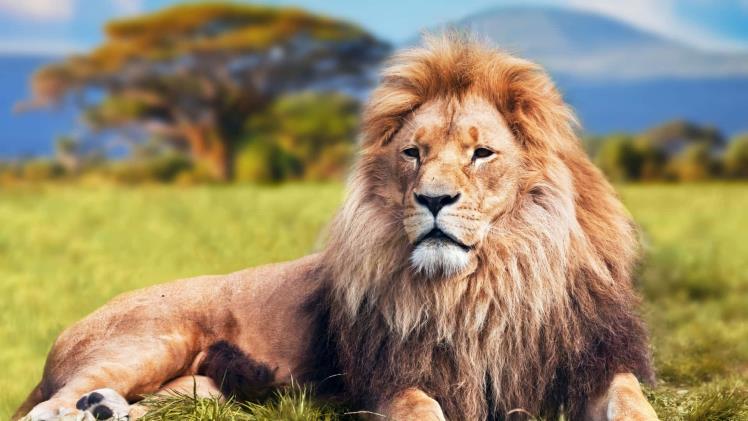
Lions are known for their relatively sedentary lifestyle, often lounging and resting for up to 20 hours a day to conserve energy. This behavior is not due to laziness but rather an adaptation to their high-energy hunting methods. During the heat of the day, lions are usually found in shaded areas, grooming, sleeping, or engaging in social behaviors such as nuzzling, licking, and playing with pride members.
However, daytime hunts are not unheard of, especially when prey is nearby. Lionesses, being the primary hunters, work together with incredible coordination to ambush prey. A lion’s strength and speed, combined with the collective strategy of the pride, enable them to take down animals much larger than themselves.
Nighttime Hunts: Lions at Their Prime
While lions can hunt during the day, they prefer the cover of darkness. The night provides a tactical advantage as lions are equipped with enhanced night vision, allowing them to see six times better than humans in low-light conditions. This superior vision, coupled with their stealth and strength, makes them lethal nocturnal hunters.
The moonless nights in The Serengeti or Day of the Lions are especially productive for lion prides. They use silence and shadows to get within striking distance before launching their powerful attack. The pride’s collective hunting skills and finely honed strategies enable them to take down larger prey, from zebras to buffalo.
The Social Structure of the Pride
The pride’s social structure is key to its survival, with each member playing a role. Female lions, or lionesses, are responsible for the majority of the hunting and act as the primary caregivers to the cubs. They raise their young in a shared, communal environment, where all lionesses contribute to the upbringing of the pride’s cubs. This cooperative social structure not only strengthens bonds within the pride but also increases the chances of survival for each cub.
Male lions, while not as actively involved in hunting, play an essential role in defending the pride’s territory. Their presence deters rival lions from invading, as battles between male coalitions can be violent and deadly. Males often have to fight off hyenas, leopards, and other predators to protect their territory and maintain the pride’s food sources.
Cub Rearing: A Delicate Stage of Lion Life
Cubs are born in secluded areas and remain hidden for the first few weeks of their lives. Lionesses are fiercely protective, shielding their young from predators and keeping them out of sight. Once they are strong enough, cubs are introduced to the pride, where they learn essential survival skills through play and imitation. Lionesses often nurse each other’s cubs, fostering a strong sense of unity within the pride.
Cub mortality, however, is high, with only a small percentage of lion cubs reaching adulthood due to predation, starvation, and natural selection. This high mortality rate is part of the lion’s natural lifecycle, ensuring that only the strongest survive to adulthood.
Lions as Keystone Species in the Serengeti
Lions are a keystone species in the Serengeti, meaning their presence significantly impacts the entire ecosystem. By regulating herbivore populations, lions prevent overgrazing, which maintains the integrity of the vegetation. This balance is crucial because the plants provide food and habitat for numerous species. Without lions, the Serengeti’s delicate balance could collapse, The Serengeti or Day of the Lions.
The predatory balance that lions maintain is not just about prey population control; it also affects other carnivores in the ecosystem. When lions are present, they dominate the top tier of the food chain, leaving smaller predators like hyenas and leopards to hunt smaller prey or scavenge lion kills. This dynamic creates a hierarchy among predators, ensuring each species occupies its niche without destabilizing the food chain.
Threats to the Serengeti Lions
Despite their powerful status, lions face numerous threats. Human encroachment into The Serengeti or Day of the Lions has reduced available habitats, leading to habitat loss and fragmentation. Poaching and illegal hunting pose significant dangers, as lions are sometimes killed for their bones, skins, and body parts, which are sold on the black market. Climate change has also affected the Serengeti, altering weather patterns and disrupting the migration cycles of herbivores, which indirectly affects lion populations.
Conservation efforts are ongoing, with organizations and governments working to establish protected areas, raise awareness, and promote sustainable tourism practices that minimize human impact on lion habitats. Research initiatives, such as tracking and monitoring lion populations, are essential for understanding how best to protect these majestic animals and preserve the Serengeti’s ecosystem.
The Future of the Serengeti Lions
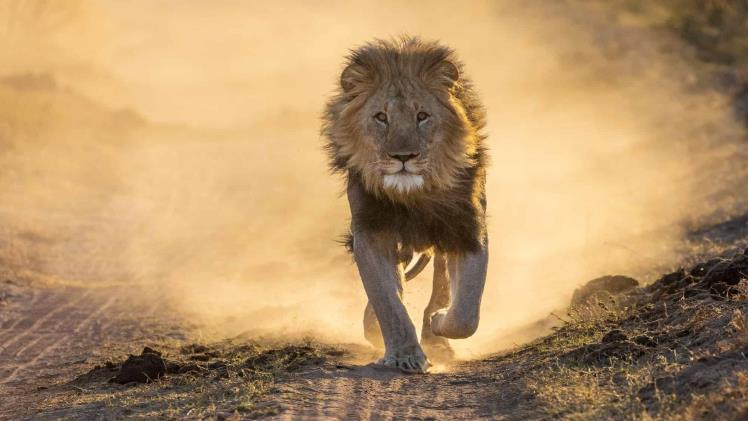
The future of lions in The Serengeti or Day of the Lions depends on effective conservation strategies and global awareness. By maintaining natural habitats, reducing human-lion conflicts, and promoting sustainable practices, we can help ensure that the Serengeti remains a sanctuary for lions and countless other species. The Serengeti lions not only symbolize the wild’s untamed beauty but also remind us of the importance of preserving biodiversity in one of the most magnificent ecosystems on Earth.
The Day of the Lion in The Serengeti or Day of the Lions is not just about watching lions hunt; it’s a reminder of the delicate balance within an ecosystem and the vital role each species plays. As stewards of the planet, it is our responsibility to protect this natural heritage, not only for the survival of the lions but for the benefit of all life on Earth.
