

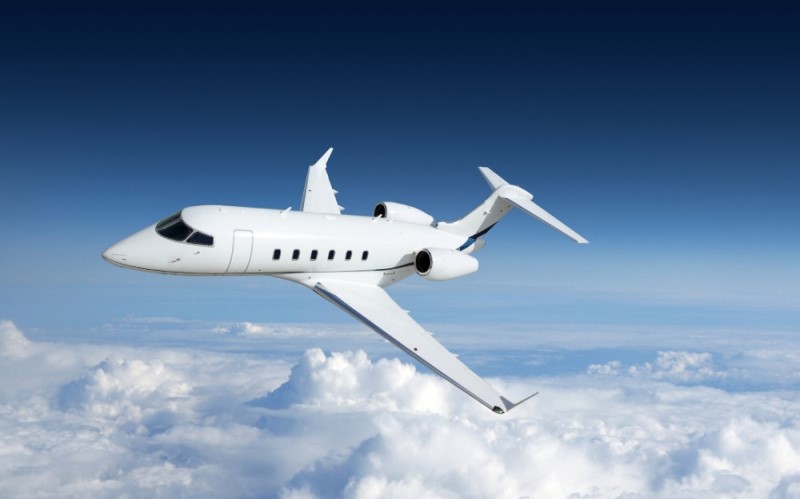
In today’s world, owning a private plane is no longer just a luxury for the ultra-wealthy. With advancements in aviation technology, flexible financing options, and an increasing number of charter services, more individuals and businesses are considering the benefits of private aviation. Whether you are an entrepreneur, a frequent traveler, or someone who simply values convenience and exclusivity, a private plane can be a game-changer.
This guide will explore everything you need to know about private planes, from the advantages and costs to maintenance and choosing the right model.
Why Choose a Private Plane?
Owning or chartering a private plane comes with numerous advantages that commercial flights simply cannot match. Here are some compelling reasons to invest in private aviation:
1. Unparalleled Convenience
With a private plane, you can avoid the hassles of long security lines, baggage checks, and flight delays. You get to choose your departure time, allowing for maximum flexibility in your schedule.
2. Increased Productivity
For business executives, time is money. A private plane allows you to conduct meetings, work uninterrupted, and stay connected while traveling. It transforms travel time into productive time.
3. Comfort and Luxury
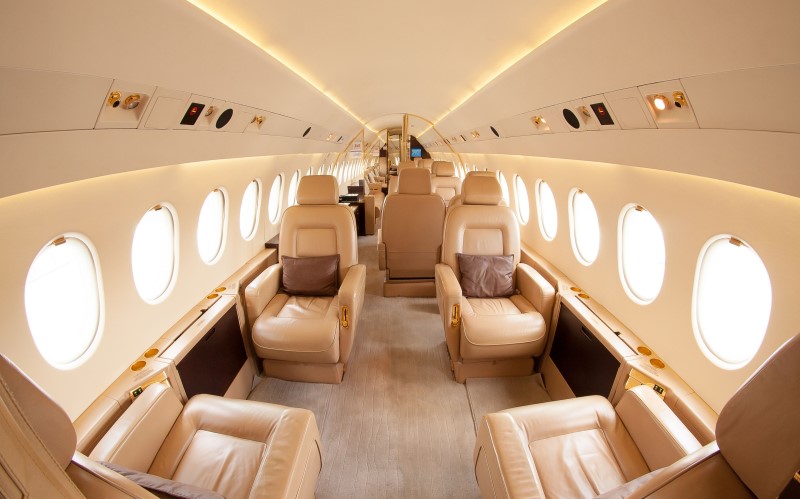
Private jets offer an unmatched level of comfort, including spacious seating, personalized catering, and premium amenities such as entertainment systems and high-speed Wi-Fi.
4. Direct Access to More Airports
Unlike commercial airlines, a private plane can land at smaller airports, bringing you closer to your final destination and reducing overall travel time.
5. Privacy and Security
For high-profile individuals, a private plane ensures discretion and security, eliminating unwanted attention from the public and media.
Types of Private Planes
Choosing the right private plane depends on your travel needs, budget, and personal preferences. Here are some of the most common types:
1. Light Jets
- Ideal for short trips and small groups.
- Can accommodate 4-7 passengers.
- Examples: Cessna Citation CJ3, HondaJet Elite.
2. Midsize Jets
- Suitable for longer distances and larger groups.
- Can seat 6-10 passengers.
- Examples: Hawker 800XP, Learjet 60XR.
3. Heavy Jets
- Designed for international travel with extended range.
- Can accommodate up to 18 passengers.
- Examples: Gulfstream G550, Bombardier Global 6000.
4. Turboprop Planes
- More fuel-efficient and ideal for shorter runways.
- Can accommodate 6-8 passengers.
- Examples: Pilatus PC-12, King Air 350.
How Much Does a Private Plane Cost?
The cost of owning a private plane varies widely depending on the model, age, and additional features. Here’s a breakdown of the expenses:
1. Purchase Price
- Light Jets: $2 million – $10 million
- Midsize Jets: $10 million – $20 million
- Heavy Jets: $20 million – $75 million
- Turboprops: $1 million – $5 million
2. Operating Costs
- Fuel: $400 – $1,000 per flight hour
- Maintenance: $200,000 – $1 million annually
- Crew Salaries: $150,000 – $300,000 per year
- Insurance: $30,000 – $500,000 annually
3. Charter Costs
If owning a private plane is not feasible, chartering is a great alternative:
- Light Jets: $2,000 – $4,000 per hour
- Midsize Jets: $4,000 – $8,000 per hour
- Heavy Jets: $8,000 – $20,000 per hour
Buying vs. Chartering a Private Plane
Not everyone needs to own a private plane. Chartering can be a cost-effective solution depending on your travel frequency.
When to Buy:
- You fly more than 150 hours per year.
- You require full control over scheduling and routes.
- Privacy and customization are a priority.
When to Charter:
- You fly occasionally (less than 100 hours per year).
- You prefer different jet models for different trips.
- You want to avoid maintenance and operational costs.
Essential Maintenance & Regulations
Owning a private plane requires regular maintenance and compliance with aviation regulations. Here are key aspects to consider:
1. Routine Maintenance
- Pre-flight inspections.
- Regular engine checks.
- Avionics and software updates.
2. FAA & International Regulations
- Compliance with FAA (Federal Aviation Administration) standards.
- Adhering to international flight regulations and permits.
- Mandatory pilot and crew training.
3. Storage & Hangar Fees
- Hangar rental costs vary from $1,000 to $10,000 per month depending on the airport location.
How to Finance a Private Plane?
Many buyers finance their private plane purchases through specialized aviation loans or lease agreements.
Financing Options:
- Traditional Loans: Banks offer aviation loans with repayment periods up to 20 years.
- Operating Lease: Renting the aircraft without long-term ownership.
- Fractional Ownership: Buying a share of a jet with other owners.
Each financing option has its pros and cons, so it’s important to choose one that aligns with your financial goals.
Future of Private Aviation
The future of private planes is evolving with advancements in technology and sustainability. Here are some key trends:
1. Electric and Hybrid Aircraft
Companies like Eviation and Lilium are developing electric jets that promise lower emissions and reduced operating costs.
2. AI and Automation
Autonomous flight technology is expected to improve efficiency and safety.
3. Subscription-Based Private Jet Services
Many companies are offering membership programs where travelers can access a fleet of private planes without ownership responsibilities.
Conclusion
Owning or flying a private plane offers a level of freedom, luxury, and convenience that commercial airlines cannot match. Whether you choose to purchase or charter, understanding the costs, maintenance, and regulations is crucial for making an informed decision.
With numerous options available, finding the right private plane depends on your needs, budget, and travel frequency. No matter what you decide, investing in private aviation is a step towards unparalleled comfort and efficiency in air travel.
