

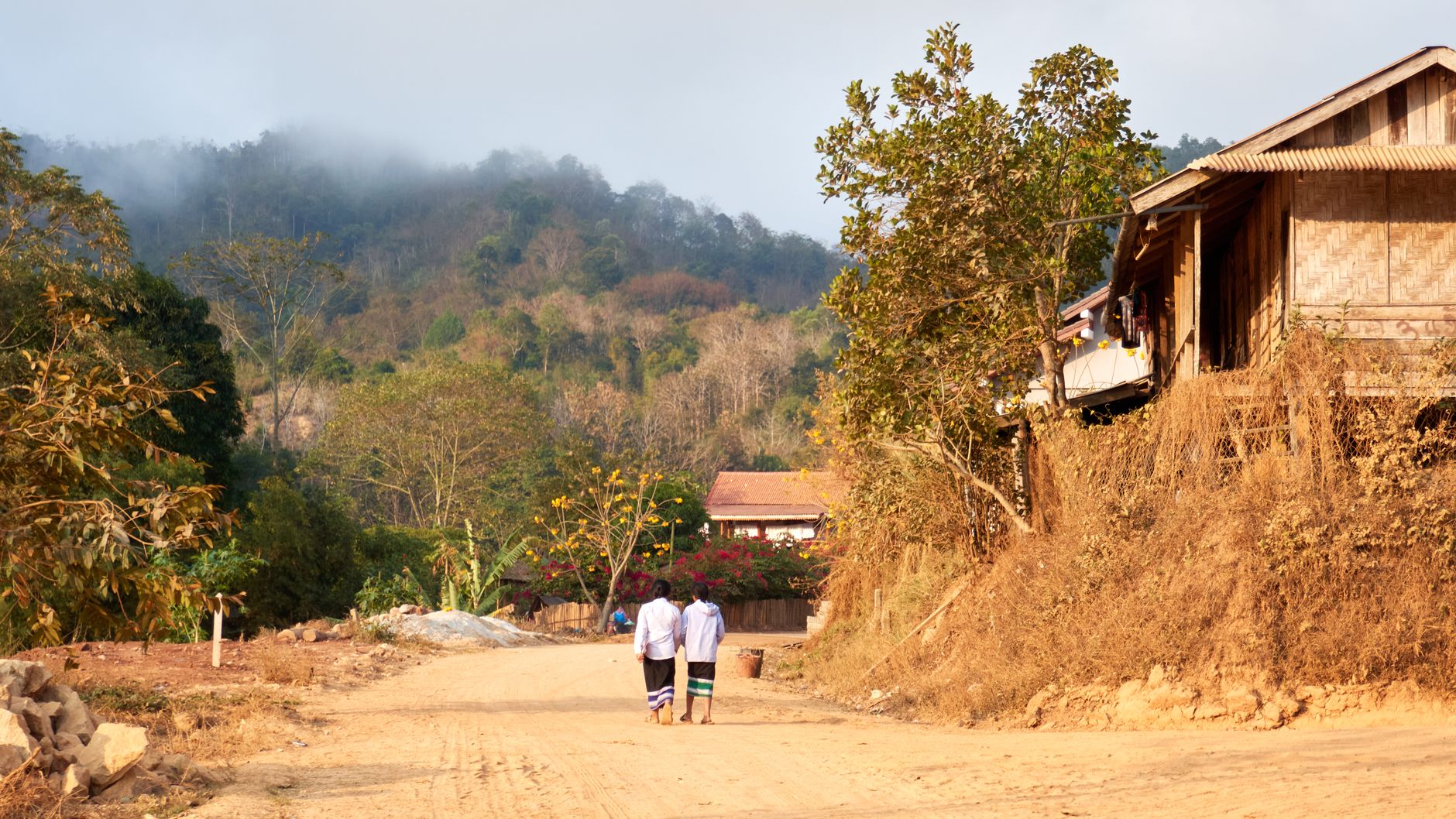
Laos is one of Southeast Asia’s most peaceful and underrated travel destinations, known for its lush mountains, golden temples, slow-paced lifestyle, and friendly locals. If you are looking for a destination that blends nature, culture, and relaxation, then choosing to Plan A Trip To Laos is an excellent idea.
Unlike more commercialized neighbors, Laos offers a more authentic travel experience where life moves at a slower rhythm. From the historic charm of Luang Prabang to the laid-back atmosphere of Vang Vieng and the capital city Vientiane, every region offers something unique and memorable.
This guide will help you plan your journey with ease, covering the best places to visit, transport options, budget tips, cultural insights, and practical travel advice.
Best Time and Weather to Visit Laos
Understanding the weather is essential when you Plan A Trip To Laos, as it directly affects travel comfort and accessibility.
Laos has a tropical monsoon climate with three main seasons: cool season, hot season, and rainy season. The best time to visit is generally from November to February when the weather is cooler and more comfortable for sightseeing.
During this period, temperatures are pleasant, skies are clear, and outdoor activities such as temple visits, hiking, and river cruises are more enjoyable.
The hot season, from March to May, can be quite intense with high temperatures, especially in lowland areas. However, it is still manageable for travelers who prefer fewer crowds.
The rainy season, from June to October, brings lush green landscapes and fewer tourists. While rain can affect travel plans, it also creates beautiful scenery, especially in rural areas.
Choosing the right season ensures a smoother and more enjoyable travel experience.
Top Places to Visit in Laos
Laos is filled with cultural and natural attractions that appeal to different types of travelers.
Luang Prabang is one of the most popular destinations, known for its UNESCO World Heritage status, ancient temples, and stunning waterfalls like Kuang Si Falls. The city offers a peaceful atmosphere with French colonial architecture and spiritual traditions.
Vientiane, the capital city, is smaller and more relaxed compared to other Southeast Asian capitals. Key attractions include Pha That Luang, Patuxai Monument, and riverside night markets.
Vang Vieng is famous for its dramatic limestone mountains, caves, and outdoor adventure activities such as tubing, kayaking, and hot air balloon rides.
The Bolaven Plateau is ideal for nature lovers, offering waterfalls, coffee plantations, and scenic drives through rural landscapes.
The 4,000 Islands region (Si Phan Don) in southern Laos is perfect for relaxation, where visitors can enjoy river views, quiet villages, and rare freshwater dolphins.
Each destination adds a unique layer to your journey when you Plan A Trip To Laos.
Transportation and Getting Around Laos
Transportation in Laos is relatively simple but requires some planning due to limited infrastructure in rural areas.
Buses are the most common way to travel between cities. They are affordable and connect major destinations like Vientiane, Luang Prabang, and Vang Vieng.
Minivans are faster but can be less comfortable, especially on long journeys. They are commonly used for tourist routes.
Domestic flights are available between major cities, saving time for travelers with limited schedules.
In cities and towns, tuk-tuks and taxis are widely used for short distances. Negotiating fares beforehand is common practice.
Motorbike rentals are popular in tourist areas, especially in Vang Vieng and Luang Prabang, but should only be used by experienced riders.
River transport is also available in certain regions, offering a scenic way to explore remote areas.
Understanding transport options helps you move efficiently while you Plan A Trip To Laos.
Budgeting and Travel Costs in Laos
Laos is considered one of the more affordable destinations in Southeast Asia, making it ideal for budget travelers.
Accommodation ranges from budget guesthouses and hostels to mid-range hotels and boutique stays. Even comfortable hotels are often reasonably priced compared to Western standards.
Food is inexpensive, especially local dishes such as noodle soups, sticky rice, and grilled meats available at street stalls and local markets.
Transportation costs are also low, particularly for buses and shared vans between cities.
Activities such as temple visits, nature hikes, and waterfall trips are generally affordable, although guided tours and adventure activities may cost more.
ATMs are widely available in major towns, but carrying some cash is recommended for rural areas.
With careful planning, travelers can enjoy a rich experience without overspending when they Plan A Trip To Laos.
Culture, Etiquette, and Local Experience
Laos has a deeply rooted Buddhist culture that influences daily life and traditions.
Respect for temples and monks is very important. Visitors should dress modestly when entering religious sites, covering shoulders and knees.
Greeting locals with a polite “Nop” (a slight bow with hands together) is appreciated in many situations.
Lao people are known for their friendliness and calm nature, and visitors are encouraged to adopt a relaxed pace during their stay.
Removing shoes before entering homes and some businesses is a common practice.
Public displays of anger or loud behavior are generally frowned upon, as the culture values harmony and respect.
Understanding local customs enhances your experience and helps you connect more deeply with the country.
Travel Tips for a Smooth Trip
Planning ahead can make your journey more comfortable and stress-free.
It is advisable to carry light clothing suitable for warm and humid weather, along with a light jacket for cooler evenings in mountainous areas.
Travel insurance is recommended to cover unexpected situations such as delays or medical emergencies.
Learning a few basic Lao phrases can be helpful, although English is spoken in many tourist areas.
Internet access is available in most cities, but connectivity may be limited in rural regions.
Always check transportation schedules in advance, as delays are common in some areas.
Staying flexible with your itinerary allows you to fully enjoy the relaxed pace of Laos.
Final Thought
When you Plan A Trip To Laos, you are choosing a destination that offers peace, natural beauty, and cultural depth in a way few places in Southeast Asia can match. It is not a fast-paced travel experience, but rather a journey that encourages slowing down and appreciating simple moments.
From golden temples and mountain landscapes to riverside towns and welcoming locals, Laos offers a unique blend of experiences that stay with travelers long after they leave.
With thoughtful planning and an open mind, your trip to Laos can become one of the most rewarding and memorable adventures you will ever have.
FAQs
What is the best time to Plan A Trip To Laos?
The best time is from November to February when the weather is cool and comfortable for travel.
Is Laos expensive for tourists?
No. Laos is generally affordable, with low costs for food, accommodation, and transport.
How many days are enough to visit Laos?
Around 7 to 10 days is ideal to explore major destinations comfortably.
Is Laos safe for travelers?
Yes. Laos is considered safe for tourists, especially in main travel areas.
What are must-visit places in Laos?
Luang Prabang, Vang Vieng, Vientiane, Bolaven Plateau, and the 4,000 Islands are top highlights.
Do I need a visa for Laos?
Most travelers need a visa, which can often be obtained on arrival or online depending on nationality.
What is the main transport in Laos?
Buses and minivans are the most common ways to travel between cities.
Is Laos good for solo travelers?
Yes. Laos is popular among solo travelers due to its safety and relaxed atmosphere.
