

The Elder Scrolls series, renowned for its expansive worlds, intricate lore, and immersive gameplay, is a name that resonates with RPG enthusiasts worldwide. However, nestled within this celebrated franchise is a hidden gem that often goes underappreciated: The Elder Scrolls Adventures: Redguard. Released in 1998, this standalone action-adventure game broke away from the traditional RPG formula of its predecessors, offering a unique take on The Elder Scrolls universe.
In this article, we’ll delve into the rich history, gameplay, story, and legacy of The Elder Scrolls Adventures: Redguard, exploring why it remains a fascinating entry in the franchise.
A Bold Departure from Tradition
While The Elder Scrolls series is synonymous with open-world RPGs like Morrowind, Oblivion, and Skyrim, The Elder Scrolls Adventures: Redguard ventured into uncharted territory. Developed by Bethesda Softworks, Redguard is not an RPG but an action-adventure game, focusing on a linear narrative, predefined characters, and a more cinematic storytelling approach.
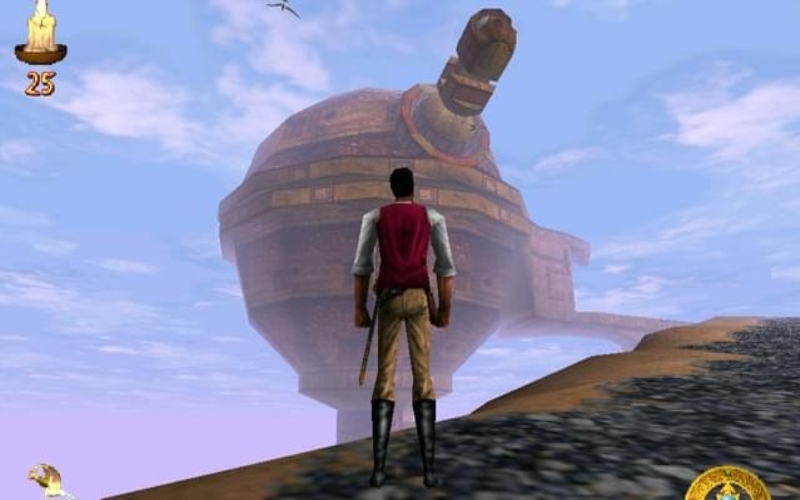
This departure was a bold move, especially considering the series’ established RPG roots. The game featured a third-person perspective, an unusual choice for the franchise at the time, and emphasized exploration, puzzles, and action over character customization and role-playing mechanics.
The Story of The Elder Scrolls Adventures: Redguard
Set in the year 864 of the Second Era, The Elder Scrolls Adventures: Redguard takes place in the province of Hammerfell. Players assume the role of Cyrus, a Redguard mercenary searching for his missing sister, Iszara, in the port city of Stros M’Kai. The game’s story unfolds against the backdrop of political unrest, as the Septim Empire tightens its grip on Hammerfell following the defeat of the Redguard forces in the Tiber Wars.
Cyrus’ journey is not only a personal quest but also a tale of rebellion, treachery, and heroism. The narrative weaves together elements of The Elder Scrolls lore, offering players a deeper understanding of Hammerfell’s culture, history, and its people. The story-driven gameplay is a refreshing change for fans of the franchise, making The Elder Scrolls Adventures: Redguard a must-play for lore enthusiasts.
Gameplay: Action, Exploration, and Puzzles
The Elder Scrolls Adventures: Redguard offers a mix of action, exploration, and puzzle-solving. Unlike traditional Elder Scrolls games, players do not create their own character or choose from multiple playstyles. Instead, they control Cyrus, a predefined protagonist with a unique backstory and personality.
Combat System
The combat in Redguard is real-time and skill-based, focusing on swordplay. Players engage in melee battles using precise timing and strategy to defeat enemies. The combat system, while straightforward, provides a satisfying challenge, especially during key encounters.
Exploration
Stros M’Kai, the island setting of the game, is richly detailed and filled with secrets. Players can explore bustling markets, ancient ruins, and hidden caves. The world design encourages exploration, rewarding players with lore, treasure, and crucial items needed to progress.
Puzzles
Puzzles play a significant role in Redguard, adding variety to the gameplay. These range from deciphering ancient texts to navigating intricate traps in dungeons. The puzzles are well-integrated into the story, often requiring players to pay close attention to clues and the environment.
Graphics and Sound: Ahead of Its Time
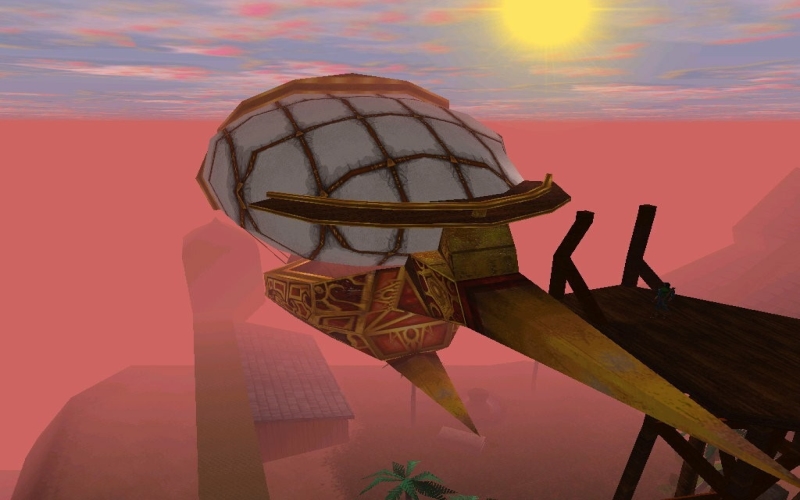
For a game released in 1998, The Elder Scrolls Adventures: Redguard was visually impressive. The game utilized Bethesda’s XnGine, which allowed for detailed 3D environments and character models. The vibrant, sun-soaked aesthetics of Stros M’Kai captured the essence of Hammerfell’s desert and coastal landscapes, immersing players in the world of the Redguards.
The soundtrack, composed by Eric Heberling, is another standout feature. The music perfectly complements the game’s adventurous tone, blending Middle Eastern-inspired melodies with orchestral arrangements. The voice acting, though limited by the technology of the time, added depth to the characters and story.
Challenges and Criticism
Despite its many strengths, The Elder Scrolls Adventures: Redguard faced challenges that hindered its success upon release.
High System Requirements
One of the game’s major hurdles was its demanding hardware requirements. At a time when gaming PCs were not as advanced, many players struggled to run the game smoothly, limiting its audience.
Linear Gameplay
The linear nature of Redguard was a departure from the open-world freedom that fans of The Elder Scrolls series had come to expect. While this approach allowed for a focused narrative, it alienated some players who preferred the franchise’s traditional sandbox gameplay.
Combat System Limitations
While the combat system was engaging, it lacked the depth and variety found in other action-adventure games of the era. Some players found it repetitive over time.
Legacy of The Elder Scrolls Adventures: Redguard
Though The Elder Scrolls Adventures: Redguard did not achieve commercial success, it holds a special place in the hearts of fans and historians of the franchise. Its unique approach to storytelling and gameplay paved the way for future experiments within The Elder Scrolls universe.
Contribution to Lore
Redguard enriched the lore of The Elder Scrolls, shedding light on the culture, history, and struggles of the Redguards. The game’s setting, characters, and events continue to be referenced in subsequent Elder Scrolls titles.
Cult Following
Over the years, Redguard has garnered a cult following, with fans appreciating its distinctive style and narrative depth. Modern emulation and community efforts to preserve the game have kept it accessible to new generations of players.
Inspiration for Future Titles
The lessons learned from Redguard influenced Bethesda’s approach to storytelling and design in later games. Elements of its cinematic storytelling can be seen in games like The Elder Scrolls V: Skyrim and Fallout 4.
Playing The Elder Scrolls Adventures: Redguard Today
For those intrigued by The Elder Scrolls Adventures: Redguard, playing the game today is possible through modern compatibility tools and digital distribution platforms. Here are some tips for experiencing this classic:
- Digital Availability:
Check platforms like GOG.com for digital versions of Redguard optimized for modern PCs.
- Community Mods:
The Elder Scrolls community offers mods and patches to improve compatibility and enhance the gaming experience.
- Patience with Controls:
As an older game, Redguard’s controls and mechanics may feel dated. Allow time to adapt and appreciate its unique charm.
Why You Should Revisit Redguard
Whether you’re a long-time fan of The Elder Scrolls or a newcomer to the series, The Elder Scrolls Adventures: Redguard is worth exploring for several reasons:
- Rich Storytelling: The game’s narrative offers a captivating blend of personal stakes and grand political intrigue.
- Cultural Insight: Redguard provides a deeper understanding of Hammerfell and its people, enhancing your appreciation of The Elder Scrolls lore.
- Unique Experience: As the only action-adventure game in the series, Redguard stands apart from its RPG counterparts, offering a fresh perspective.
Conclusion
The Elder Scrolls Adventures: Redguard may not have achieved the commercial success of its successors, but it remains an integral part of The Elder Scrolls legacy. Its bold departure from the RPG formula, immersive storytelling, and rich world-building make it a timeless classic for fans of the franchise.
As you explore the world of Stros M’Kai and unravel Cyrus’ story, you’ll gain a deeper appreciation for the creativity and ambition that define The Elder Scrolls series. Whether you’re a die-hard fan or a curious gamer, The Elder Scrolls Adventures: Redguard deserves a place on your gaming journey.
