

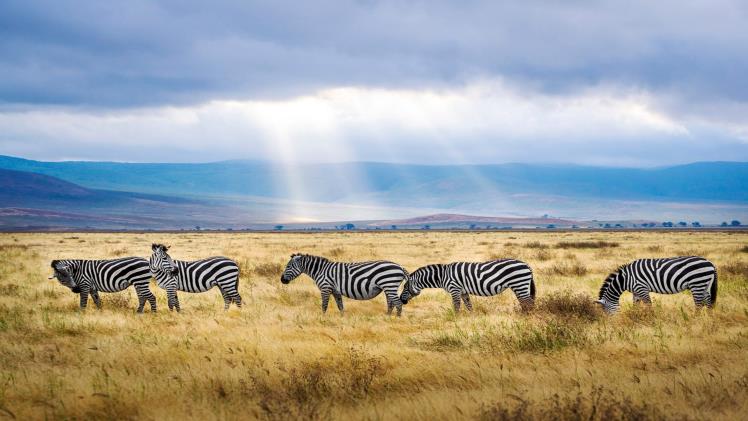
Nestled within the heart of East Africa, the journey from Serengeti National Park to the Ngorongoro Conservation Area offers travelers one of the most diverse, captivating experiences in nature. Stretching across Tanzania’s Northern Circuit, these two iconic destinations encompass rolling plains, lush woodlands, volcanic craters, and a vast array of wildlife that mesmerizes all who venture there. The Serengeti to Ngorongoro Conservation Area unveils a journey rich in natural beauty, teeming with wildlife, and deeply rooted in cultural heritage. Below, we explore every element of this remarkable region, offering insights into the landscapes, unique ecosystems, and the breathtaking spectacle of African wildlife that calls this land home.
The Serengeti: Where the Wilderness Comes to Life
An Iconic Landscape Defined by the Great Migration
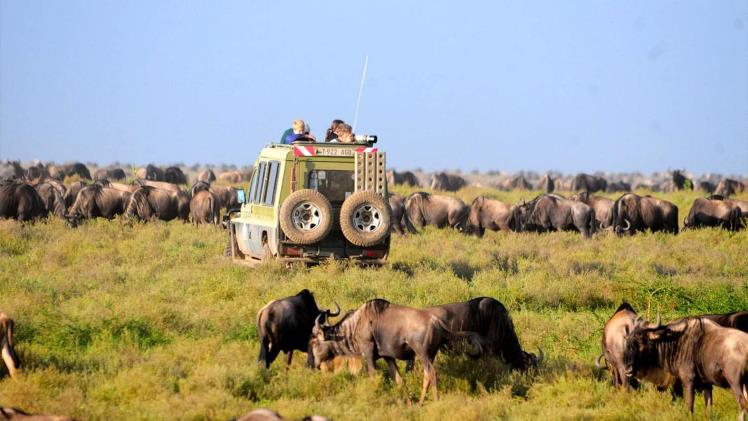
The Serengeti, named from the Maasai word “Siringit” meaning “endless plains,” spans over 5,700 square miles and is world-renowned for its annual Great Migration. This incredible spectacle, where nearly two million wildebeest, along with zebras and gazelles, travel across the plains in search of water and grazing, is among the most awe-inspiring sights in the natural world. The migration unfolds in a cycle, with animals moving from the southern Serengeti toward the Masai Mara in Kenya before returning—a journey that underscores the resilience and beauty of The Serengeti to Ngorongoro Conservation Area.
Unique Ecosystems of the Serengeti
The Serengeti’s ecosystem is one of the oldest on Earth, characterized by diverse habitats, each supporting a unique array of flora and fauna. Open grasslands dominate the south, where you’ll witness massive herds of herbivores grazing against a seemingly endless horizon. In the central Serengeti, known as Seronera Valley, acacia woodlands and riverine areas attract predators, making it one of the best regions for spotting lions, leopards, and cheetahs. Northern Serengeti, with its rolling hills and dense woodlands, offers a quieter experience with spectacular sightings of the Mara River crossings during The Serengeti to Ngorongoro Conservation Area.
The Big Five and Beyond
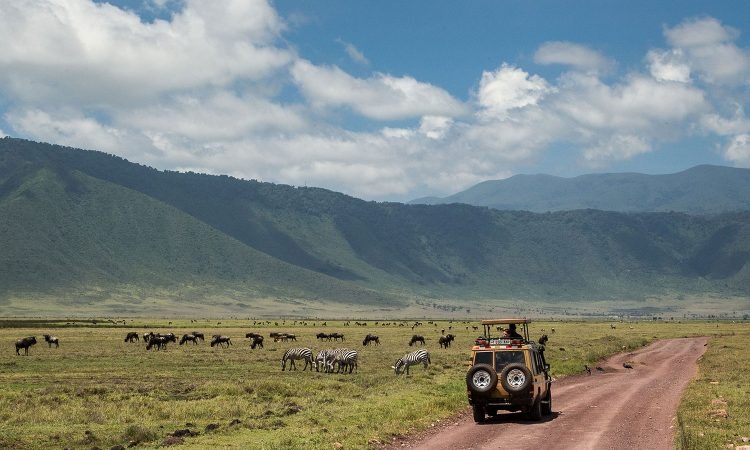
The Serengeti to Ngorongoro Conservation Area is home to the Big Five—elephants, rhinos, lions, leopards, and buffalos. Beyond these iconic species, it also hosts cheetahs, hippos, giraffes, and a dazzling array of bird species, including eagles, vultures, and storks. The rich biodiversity and vast open spaces allow animals to roam freely, offering visitors the chance to witness predator-prey dynamics in real-time. Here, every sunrise brings with it a new adventure, as the sounds of roaring lions, trumpeting elephants, and chattering hyenas fill the air.
Transitioning to the Ngorongoro Conservation Area: An Ancient Volcanic Wonder
Ngorongoro Crater: The Eighth Wonder of the World
the The Serengeti to Ngorongoro Conservation Area, mountainous terrain of the Ngorongoro Conservation Area. Dominated by the Ngorongoro Crater, this UNESCO World Heritage Site is often referred to as the Eighth Wonder of the World. Formed over two million years ago when a massive volcano collapsed, the crater measures over 2,000 feet deep and 12 miles across, creating a natural enclosure that houses a diverse range of wildlife. The descent into the crater unveils a strikingly different world, teeming with life and bound by towering walls.
A Self-Sustaining Ecosystem
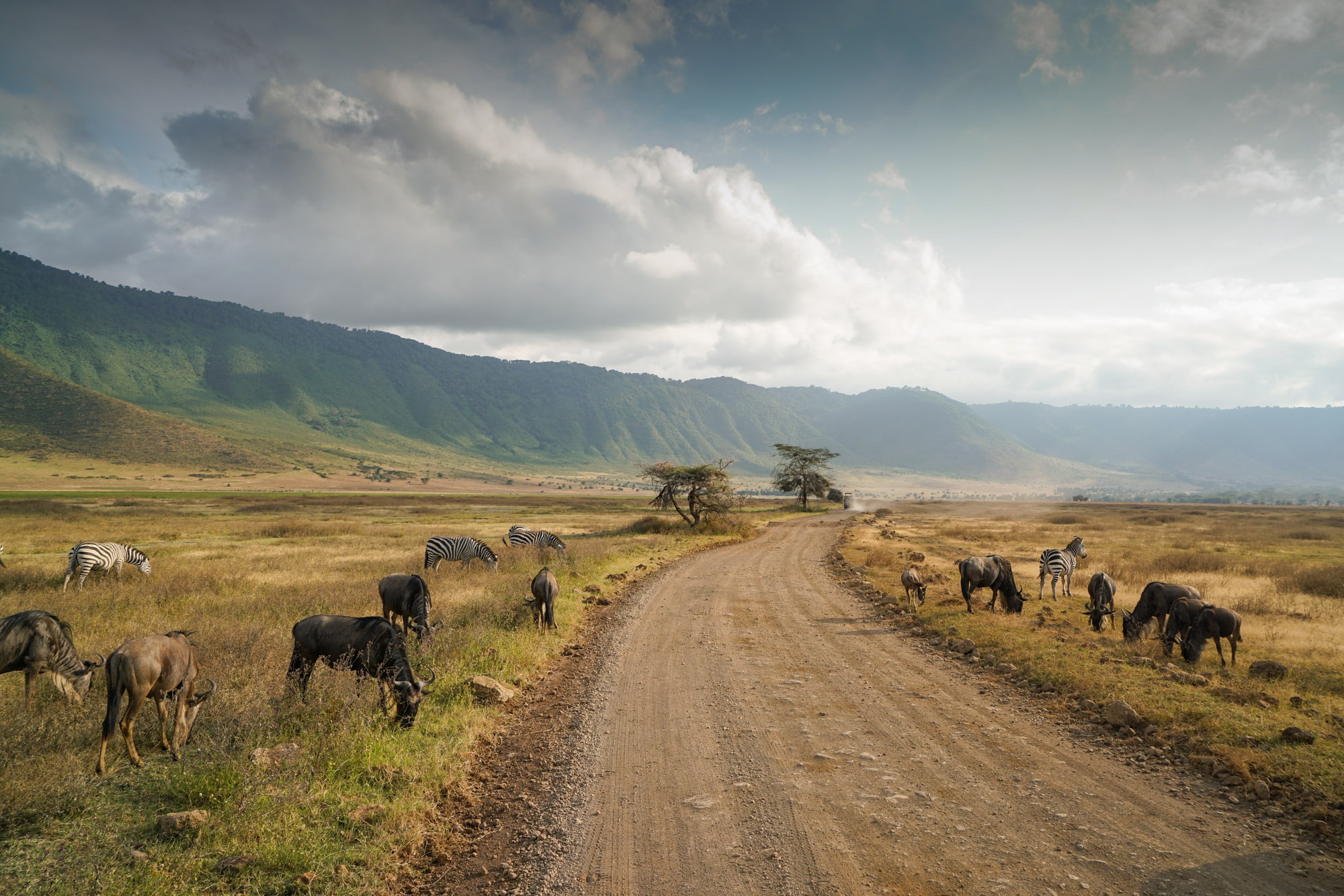
The Ngorongoro Crater hosts one of the densest populations of wildlife in Africa. The crater floor’s diverse environment supports grasslands, freshwater lakes, and forests, allowing it to sustain around 25,000 large animals. From the critically endangered black rhino to the rare serval cat, this natural bowl offers a safe haven for species that have faced threats across the continent. Lake Magadi, located in the heart of the crater, attracts large flocks of flamingos and a variety of wading birds, creating a mesmerizing scene for wildlife enthusiasts and bird watchers alike.
Cultural Significance of the Ngorongoro Conservation Area
The Ngorongoro region isn’t only a sanctuary for wildlife but also an important cultural site. The Maasai people, who have inhabited this region for centuries, live in harmony with the wildlife, grazing their cattle on the crater’s rim. Their traditional way of life, deeply connected to nature, offers insight into a sustainable model of co-existence. Olduvai Gorge, located within the conservation area, is one of the most significant paleoanthropological sites globally. It has provided vital evidence of early human evolution, revealing fossils and artifacts that date back millions of years. A visit to Ngorongoro allows travelers to experience both the ancient history of humankind and the timeless beauty of African wildlife.
Flora and Fauna: A Biodiversity Hotspot
The Serengeti to Ngorongoro Conservation Area
Both The Serengeti to Ngorongoro Conservation Area and Ngorongoro host a remarkable diversity of species, each ecosystem uniquely adapted to its environment. In the Serengeti, you’ll find sprawling acacia trees and open plains where wildebeests graze, while in Ngorongoro, the crater floor hosts lush green grasses, swamps, and forests that serve as ideal habitats for hippos, buffalos, and elephants. This range of habitats allows a wide variety of species to thrive, from the predatory lions and hyenas to the gentle grazers like zebras and gazelles.
Birdwatching in the Heart of Africa
For birdwatchers, these areas provide unrivaled opportunities, with more than 500 bird species recorded between The Serengeti to Ngorongoro Conservation Area and Ngorongoro. From the colorful lilac-breasted roller and the massive Kori bustard to lesser-known species like the Nubian woodpecker and Fischer’s lovebird, each area’s birdlife contributes to the richness of the Tanzanian wilderness.
Planning the Journey: Essential Tips for Travelers
Best Time to Visit
The timing of your visit can significantly impact your experience. The Great Migration typically moves through different parts of The Serengeti to Ngorongoro Conservation Area throughout the year, with river crossings in the north around July to October and calving season in the south between December and March. The dry season (June to October) offers excellent visibility for wildlife spotting, while the wet season (November to May) transforms the landscape into a lush green paradise, ideal for birdwatching and witnessing newborn animals.
Accommodation Options
Accommodations vary widely, from luxury lodges to tented camps and budget options. In the Serengeti, Seronera Valley offers centrally located campsites and lodges, providing easy access to popular wildlife areas. For those interested in the Great Migration, The Serengeti to Ngorongoro Conservation Area has seasonal camps that move with the animals. In Ngorongoro, lodges perched along the crater rim offer breathtaking views, allowing guests to witness the vast landscape from above before they venture into the crater.
Responsible Tourism
As travelers, respecting the delicate ecosystems and wildlife is paramount. Practicing responsible tourism—by minimizing waste, following park regulations, and supporting local communities—helps preserve these natural wonders for future generations. Supporting local guides and conservation projects also plays a crucial role in sustaining the rich heritage of Tanzania’s wilderness.
Why This Journey is Unforgettable
From witnessing the relentless drama of the Great Migration to exploring the serenity of Ngorongoro Crater, the journey The Serengeti to Ngorongoro Conservation Area captures the essence of Africa’s wild beauty. This land, where ancient human history meets timeless natural cycles, offers a transformative experience. The diversity of landscapes, coupled with the vibrancy of wildlife, makes this journey more than a mere safari; it’s a deep connection to one of the Earth’s most enduring natural realms.
Whether you’re an adventurer, a nature lover, or someone seeking a profound escape, The Serengeti to Ngorongoro Conservation Area await with sights and stories that resonate long after you’ve returned home. This unforgettable adventure through Tanzania’s heartland is a journey into the soul of Africa itself.
